Portal do Mar
03/10/2026 09:14 am – Updated 11 hours ago
2 Min
Tension in the Persian Gulf continues to rise and puts the Strait of Hormuz back in the spotlight of global shipping. The Iranian Revolutionary Guard said it could allow the safe passage of ships belonging to Arab or European countries that decide to expel ambassadors from the United States and Israel.
Internal Pages – Super (728×90) – Position 14
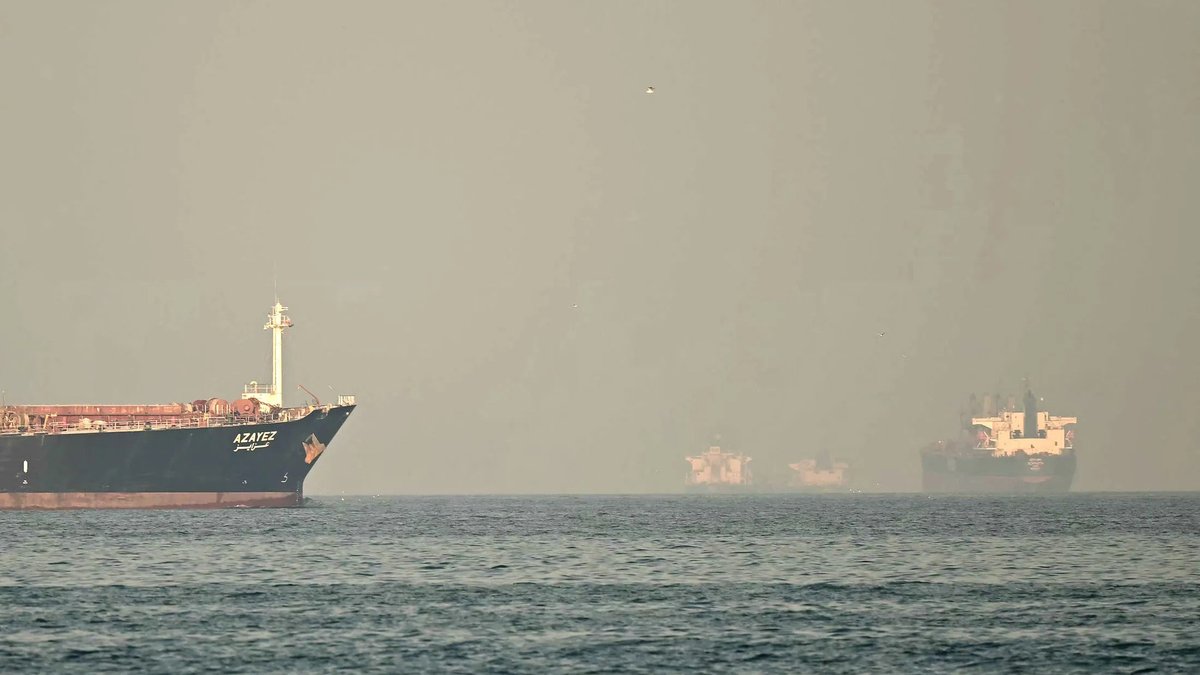
The declaration comes at a time when maritime traffic in the region is facing severe constraints. The Strait of Hormuz, one of the most strategic maritime passages on the planet, is responsible for the circulation of around a fifth of the oil consumed in the world. Any threat or disruption to this route has an immediate impact on energy markets and global trade.
According to information released in the last few hours, military pressure and threats from the Iranian Revolutionary Guard are causing a sharp decline in maritime traffic, with several shipping companies and operators avoiding the area or reevaluating routes. The instability is already reflected in international markets, with the price of oil surpassing the US$100 per barrel mark, in direct reaction to the risk of interruption in the energy flow coming from the Gulf.
For the global maritime and energy sector, the Strait of Hormuz thus once again asserts itself as one of the most sensitive points in contemporary geopolitics, where any military escalation can have immediate consequences on logistics chains and the global energy supply.
This post was generated from information in the original feed. Credits and reference to the source were included at the end of the text.
Source:
Rectangle Indoor Banner (600×250) – Position 13
SOURCE: