MPORT Daily Clipping
03/16/2026 1:02 pm – Updated 10 hours ago
3 Min
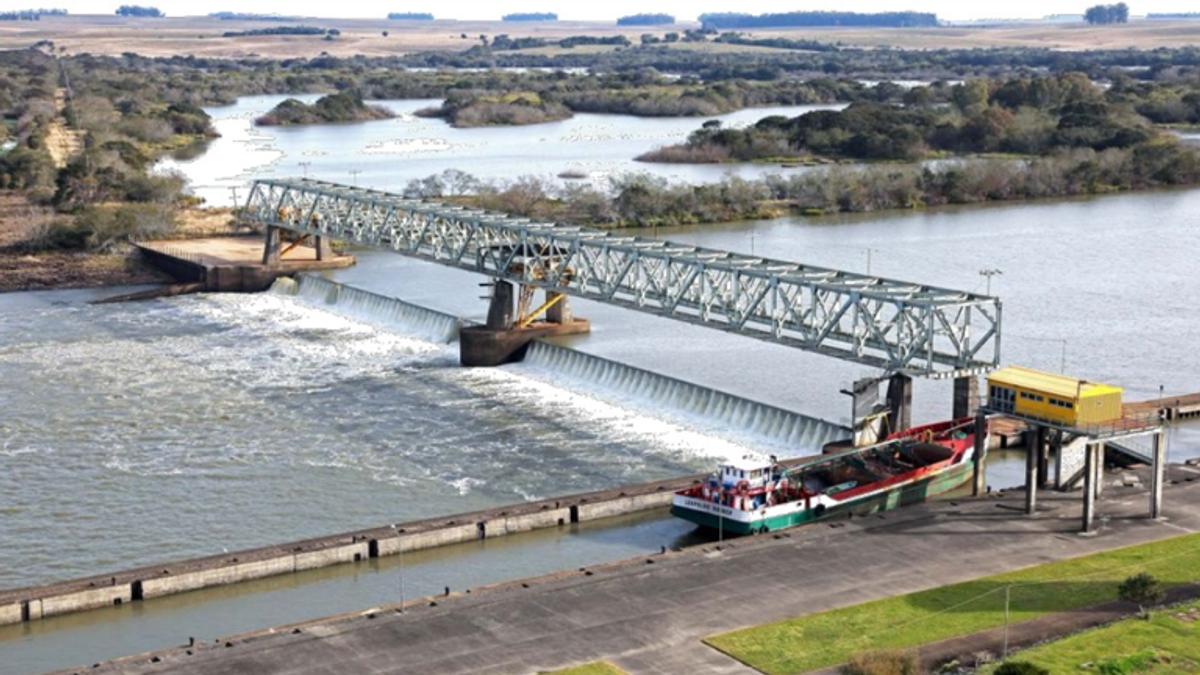
The Ministry of Ports and Airports invested R$153.9 million in the modernization of the Amarópolis Lock, in Rio Grande do Sul. The initiative aims to strengthen the waterway infrastructure and ensure greater safety and efficiency for inland navigation. The investment is part of the public policy for maintaining locks and waterways conducted by MPor in partnership with the National Department of Transport Infrastructure (Dnit). In 2025 alone, more than R$500 million were allocated to the maintenance and modernization of waterways in different regions of the country, ensuring better navigation conditions for cargo and passenger vessels.
Internal Pages – Super (728×90) – Position 14
According to the national secretary of Waterways and Navigation of the Ministry of Ports and Airports, Otto Luiz Burlier, the modernization of these structures is essential to guarantee the continuity of operations on Brazilian waterways. “Locks are strategic structures for inland navigation. Investing in the modernization and maintenance of these structures means ensuring safety for vessels, efficiency in cargo transport and better mobility conditions for populations that depend on rivers”, highlighted the secretary.
In addition to the Amarópolis lock, Rio Grande do Sul has four other locks in operation: Bom Retiro do Sul, Dom Marco, Fandango and Anel de Dom Marco. Together, they allow continued navigation on stretches of rivers with different height levels. The state is also home to the oldest operating lock in Brazil, highlighting the tradition of inland navigation in the region.
Operation of a lock
Locks are hydraulic structures that function as a type of “vessel elevator”. They allow boats and freight trains to go up or down stretches of rivers that have differences in height along the route.
The system works through a chamber that fills or empties with water in a controlled manner. When the vessel enters the structure, the water level is adjusted until it reaches the height of the next section of the river, allowing the journey to continue safely.
According to the director of Waterway Management at MPor, Eliezé Bulhões, the maintenance of these structures is essential to guarantee the navigability of waterways. “The lock is an essential piece of equipment to allow the safe passage of vessels on rivers with uneven levels. The modernization of these structures increases the reliability of operations and contributes to maintaining adequate navigation conditions on Brazilian waterways”, he explained.
Efficient and sustainable transport.
In addition to ensuring the navigability of rivers, structures such as locks contribute to increasing the efficiency of waterway transport, considered one of the most sustainable modes for large volumes of cargo. A single vessel or train can transport large quantities of goods with lower fuel consumption per ton transported and lower pollutant emissions when compared to road transport.
This helps reduce logistical costs and strengthens the role of waterways as an efficient alternative for transport in the country. The modernization of these structures also improves navigation safety conditions and reinforces Brazilian logistics infrastructure, benefiting regions that directly depend on rivers to transport people and goods.
Source:
Rectangle Indoor Banner (600×250) – Position 13
SOURCE: