


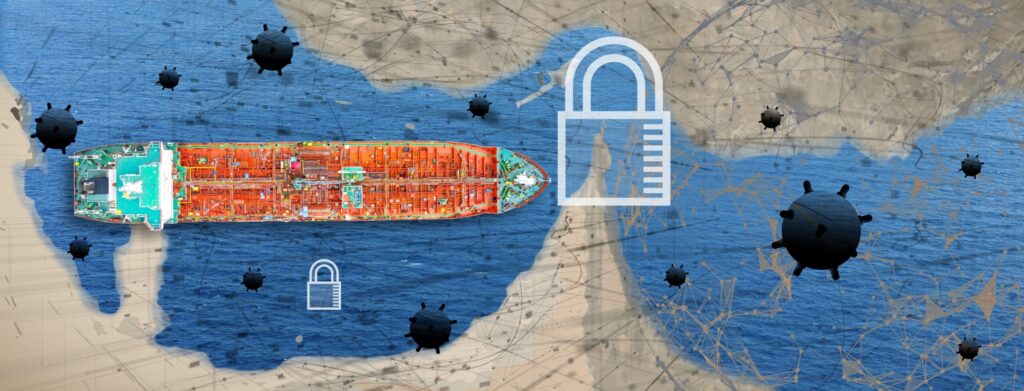
China has urged the international community to keep shipping moving freely through the Strait of Hormuz, as concerns grow that vessels may eventually face transit fees from Iran and Oman.
Read also: Shipping Lines Shift Focus from Major Transshipment Hubs to Regional Relay Ports
Speaking at a regular briefing in Beijing on Friday, Chinese Foreign Ministry spokesman Guo Jiakun said the safe and unrestricted passage of ships through the strait is in the interest of all countries.
“Resuming safe and unimpeded passage in the strait at an early date serves the interests of all parties,” Guo said, adding that disruptions in Hormuz require a practical solution that addresses the concerns of the wider international community.
The comments come as discussions continue over the possibility that Iran and Oman could introduce charges for ships transiting the strategic waterway following the recent U.S. and Israeli conflict with Iran.
European officials, speaking privately, have reportedly acknowledged that some form of service fee may become difficult to avoid. Some Gulf Arab officials are said to hold a similar view, although this has not been presented as a formal government position.
Details of any potential fee structure remain unclear, including how much vessels might be charged and what services the payments would cover.
The United States and several Gulf Arab states continue to oppose the idea of transit fees in Hormuz, arguing that international shipping should not be subject to charges in such a critical global trade route. Officials also warn that allowing fees there could set a precedent for similar charges in other strategic waterways.
China has repeatedly emphasized the importance of keeping Hormuz open. In March, Beijing called on all parties involved in regional tensions to ensure the safe passage of commercial vessels through the strait.
As the world’s largest importer of oil and natural gas, China is particularly vulnerable to instability in the Middle East. A significant share of its energy imports comes from the Persian Gulf, and those cargoes must pass through the narrow Strait of Hormuz before reaching global markets.
With energy security and shipping costs at stake, China’s latest comments underline the growing international pressure to keep Hormuz open and free from new restrictions or charges.