
A new economic impact report has found that The Northwest Seaport Alliance (NWSA), the Port of Seattle and the Port of Tacoma supported more than 265,000 jobs and generated nearly US$55 billion in business output in 2023.
The three organizations also generated US$17.7 billion in wages and benefits, highlighting their role as key drivers of Washington State’s economy.
The study is the first to assess all business activities across the Seattle-Tacoma gateway in a single report. It covers marine cargo, aviation, commercial fishing, cruise operations and real estate.
The analysis includes direct, indirect and induced economic impacts. Direct jobs include longshore workers, truck drivers and airport employees. The report found that port activities create wider economic benefits across the region through supply chains and related industries.
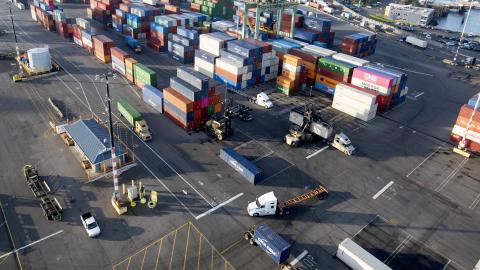
The NWSA handled nearly three million TEUs of containerized cargo in 2023. It also remained a major gateway for vehicle imports and breakbulk cargo.
According to the report, NWSA operations supported around 52,100 jobs, including 18,000 direct jobs. The alliance generated US$4.4 billion in wages and benefits and nearly US$14 billion in business output across Washington State.
The report found that trade moving through the NWSA’s South Harbor, together with the Port of Tacoma’s other business activities, supported more than 41,000 jobs. These operations generated US$3.4 billion in wages and benefits and nearly US$10.8 billion in business output.
“We often talk about Washington being the most trade-dependent state in the nation. What we don’t always talk about is how the trade that comes through our gateway is the catalyst for a robust supply chain ecosystem and quality living wage jobs across the state,” said John McCarthy, Co-Chair of The Northwest Seaport Alliance and President of the Port of Tacoma Commission. “We aren’t just dependent on trade, we excel at it.”
The Port of Seattle’s operations generated almost US$39 billion in business output and supported more than 205,000 jobs.
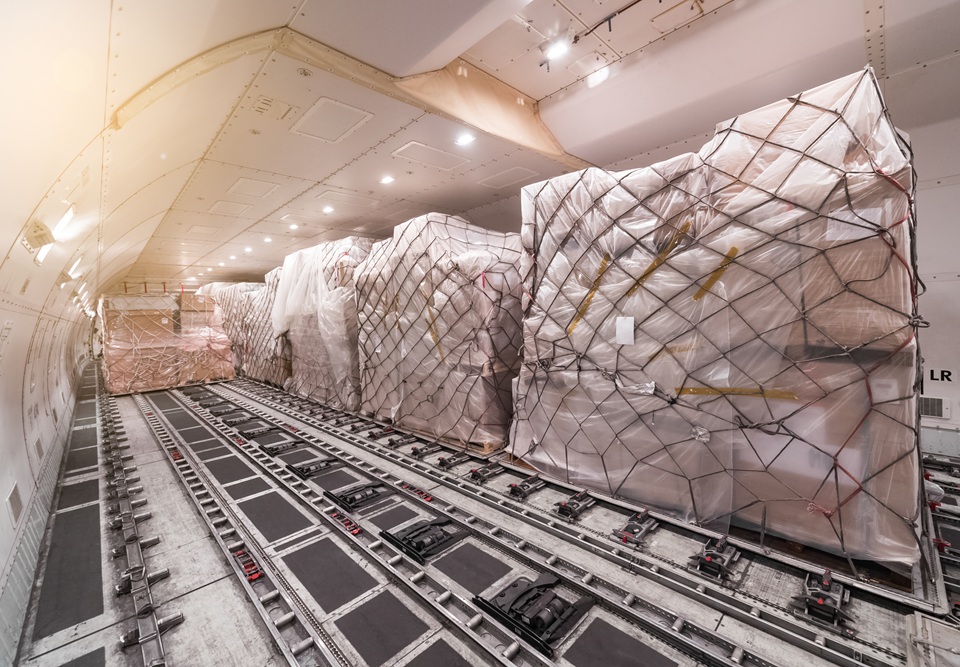
Seattle-Tacoma International Airport remained the port’s largest business segment. It supported nearly 175,000 jobs, generated US$10.5 billion in wages and benefits and contributed US$33.3 billion in business output.
The report also found that the Port of Seattle’s commercial fishing sector supported 8,790 jobs and generated more than US$1 billion in business output in 2023.
In addition, the port’s cruise business is expected to support 5,120 jobs in 2025. It is projected to generate nearly US$327 million in wages and benefits and more than US$1.2 billion in business output.
Other business activities, including real estate, maritime moorage and recreational boating, supported another 16,035 jobs. These operations generated nearly US$1.3 billion in wages and benefits and just under US$3.3 billion in business output.
“At the Port of Seattle, we’re building the port of the future — one that drives economic opportunity, safeguards family-wage jobs and advances environmental stewardship,” said Toshiko Hasegawa, Co-Chair of The Northwest Seaport Alliance and President of the Port of Seattle Commission. “This report reaffirms that our marine cargo and aviation gateways are vital to the economic health of our region.”