


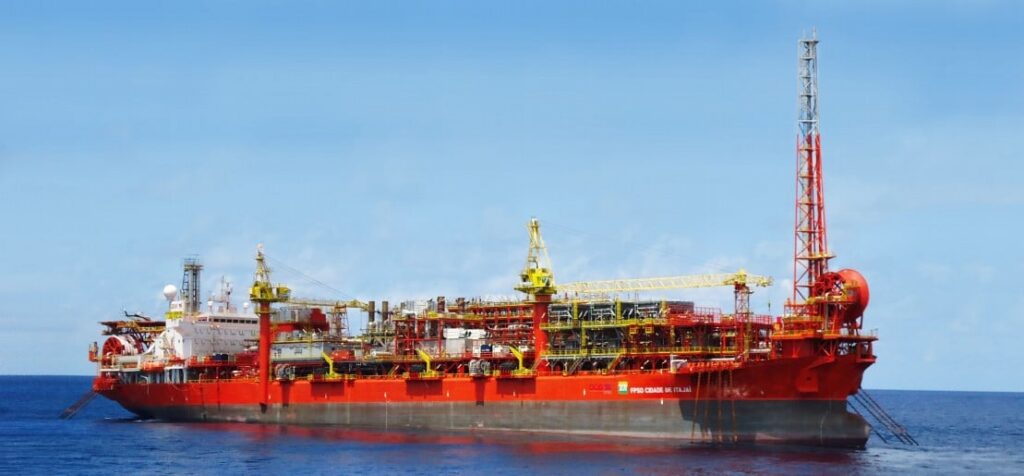
Karoon Energy, an ASX-listed international oil and gas exploration and production company, has achieved a spike in oil output at an oil field off the coast of Brazil, thanks to well intervention activities, which led to higher costs than initially expected.
Karoon has confirmed the restart of production from the SPS-92 well at The beanfollowing a well intervention operation to replace the electrical submersible pump (ESP), with the well now producing at a rate of 8,600 barrels of oil equivalent per day (bopd), taking total project production to approximately 20,500 bopd, before natural decline.
The firm is anticipating a further production uplift of 1,000 – 2,000 bopd once the PRA-2 well is brought back online, with operations to reconnect the umbilical now underway. The SPS-92 well experienced a partial ESP failure in August 2025, reducing the daily production rate to approximately 4,500 bopd.
Carri LockhartKaroon’s CEO and MD, commented: “Consistent with our stated commitment coming into 2026, Karoon strengthened and safeguarded its Baúna operations on time. Successfully completing the FPSO flotel revitalisation campaign and restoring production from SPS-92, with exceptionally strong HSE performance, marks our transition from a period of high investment to one of expected strong cash flow generation.
“We enter the second half of 2026 with materially higher production and a stronger operating platform. While the SPS-92 intervention cost exceeded our original estimate, it has restored a high-margin, low break-even production well. At a Brent oil price of US$60–70 per barrel, targeted FPSO production efficiency of 90–95% and annualised operating cost savings of US$30–40 million post the FPSO transition, we expect Baúna to generate strong operating cash flow.”
The operator proactively performed a rig-based well intervention that returned SPS-92 to production and reinstated the high-margin production stream. The final intervention costs were higher than originally anticipated, reflecting weather-related downtime, wellbore debris, and equipment-related non-productive time encountered during execution.
According to Karoon, these factors did not affect the restoration of production. However, Baúna capex guidance has increased due to the higher SPS-92 intervention costs.
While Who Dat capex estimates have decreased following updated project estimates and contingencies, Neon costs have increased slightly for the engineering and commercial work needed to advance the project to the next decision gate, beginning front-end engineering and design (FEED).
With the Baúna FPSO revitalization and major well intervention campaign now substantially complete, Karoon anticipates materially lower sustaining capital requirements at Baúna over the next few years, with only modest ongoing investment anticipated, excluding new growth projects.
Lockhart emphasized: “The capital we invested this year strengthens the long-term value of Baúna and reinforces our confidence in maintaining its low operating cost breakeven and cash-generating capacity. Our focus remains on outstanding HSE performance, restoring PRA-2 and maintaining FPSO production efficiency within our 90–95% target range, which we have recently exceeded.
“In addition, we continue improving the operating model excellence and driving additional operating cost savings associated with the completed operatorship transition and across the organisation.”


Power Your Brand With Offshore Energy ⤵️
Take the spotlight and anchor your brand in the heart of the offshore world!
Join us for a bigger impact and amplify your presence at the core hub of the offshore energy community!