


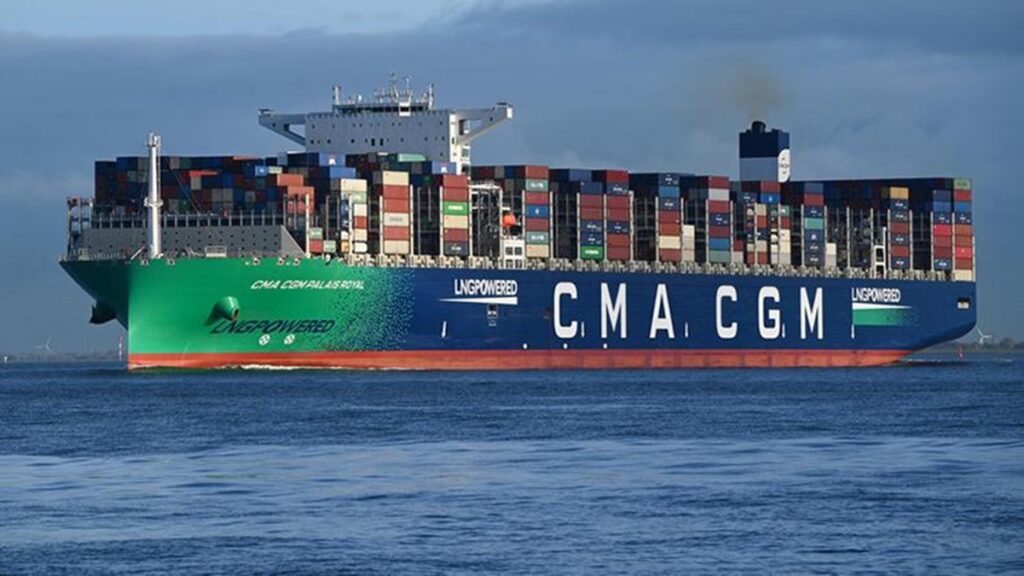
The balance of power in global container shipping is preparing for a major shift. French ocean carrier CMA CGM is on track to surpass Maersk in container capacity by 2027, potentially becoming the world’s second-largest container shipping company behind MSC.
The move reflects CMA CGM’s aggressive fleet expansion strategy, with the company investing heavily in new vessels and strengthening its position across major international trade routes.
Industry projections indicate that the gap between CMA CGM and Maersk is narrowing rapidly. With a growing orderbook of new container ships, the French carrier is expected to close the capacity difference and overtake its Danish rival within the next few years.
Different strategies, same global ambition
The race between CMA CGM and Maersk highlights two different approaches to the future of maritime logistics.
While Maersk has increasingly focused on becoming an integrated logistics provider, expanding beyond ocean transportation into supply chain services, CMA CGM has maintained a strong focus on increasing its shipping capacity while also expanding its terminal, air cargo, and inland logistics operations.
The French group has continued investing in larger and more efficient container vessels, including ships powered by lower-emission fuels such as liquefied natural gas (LNG), as part of its strategy to modernize its fleet and respond to global decarbonization goals.
CMA CGM’s rapid rise in global shipping
CMA CGM’s growth has transformed the company into one of the most influential players in maritime transportation.
Over the past decade, the carrier has expanded through fleet growth, strategic acquisitions, and investments across the global logistics chain. Its container capacity has grown from around 1 million TEUs in previous years to more than 4 million TEUs today, placing the company among the world’s largest shipping lines.
The expansion reflects a broader trend in the container shipping industry, where scale, fleet efficiency, and global network coverage remain decisive competitive advantages.
Implications for ports and global trade
A potential change in the global ranking of container carriers could have significant consequences for ports, terminals, and international supply chains.
Greater capacity means stronger competition for market share, new shipping services, increased pressure on freight rates, and a continued demand for ports capable of handling increasingly larger vessels.
For emerging and established container hubs worldwide, including ports in Latin America and Brazil, the expansion of major carriers could create opportunities for new services, additional vessel calls, and greater competition among shipping lines.
A new chapter in the container shipping industry
If current projections are confirmed, 2027 could mark a historic moment for global maritime transport, with CMA CGM overtaking Maersk and reshaping the ranking of the world’s largest container carriers.
The competition between the two companies demonstrates that, despite the transformation of logistics models, fleet capacity remains a powerful indicator of influence in global trade.
The battle for millions of TEUs is far from over — and the next few years may redefine the leadership structure of container shipping.