
Disclosure
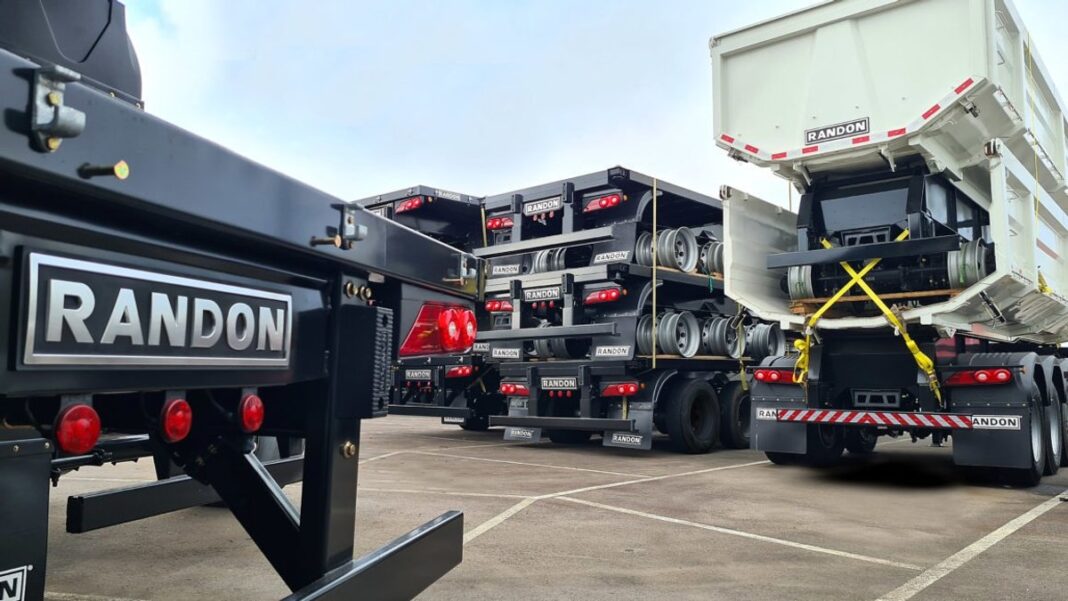
The Brazilian road equipment industry recorded a decline in the first half of 2026, reflecting an environment of slower sales of vehicles intended for cargo transportation. The performance follows a scenario of greater caution on the part of transport companies and logistics operators in the face of economic conditions and the behavior of the freight market.
The decline was observed in different segments of the industry, especially among equipment intended for heavy transport. The reduction in demand directly impacts manufacturers, suppliers and the entire production chain linked to road freight transport.
Super Rectangle (728×90) – Position 17
Experts estimate that the sector is facing a period of adjustment after years of strong fleet renewal. In many cases, companies have chosen to postpone investments in new equipment while monitoring factors such as financing costs, interest rates, input prices and prospects for the economy.
Despite the negative result in the semester, industry representatives believe that infrastructure projects, growth in exports and increased logistics movement could stimulate a gradual recovery in demand over the next few months.
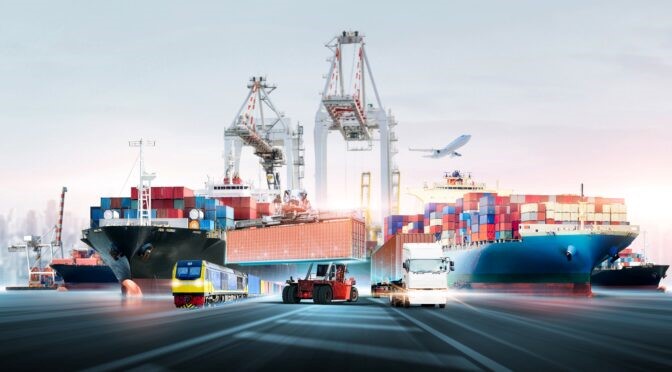
Road transport remains the country’s main logistics mode, responsible for most of the movement of goods between production centers, industrial hubs, railway terminals, airports and ports.
For the port chain, the reduction in fleet renewal can influence the efficiency of land operations, since trucks and implements play an essential role in the flow of containers, bulk and general cargo to maritime terminals.
At the same time, the sector follows expectations related to the evolution of road concessions, new investments in infrastructure and programs aimed at modernizing national logistics, factors considered fundamental to boost demand for implements again.
Analysis of the Port Journal
Although the performance of the implement industry was negative in the semester, the market’s behavior is directly linked to the economic cycle. The resumption of investments in infrastructure, the advancement of road concessions and the growth in exports could revive demand for transport equipment. For Brazilian ports, a modern fleet continues to be a key element in ensuring efficiency in the integration between road, rail and maritime modes.