
The global freighter fleet is expected to grow to over 4,0000 during the next 20 years, according to Boeing.
The aircraft manufacturer said in its latest Commercial Market Outlook that in 2025 there were 2,395 freighters in the global fleet last year and it expected this number to grow to 4,010 by 2045.
Boeing’s data shows that there were 875 standard body freighters in the fleet in 2025 and it anticipates an additional 585 aircraft to 1,460 standard body freighters by 2045.
In percentage terms this is a rise of 66.9%. The company’s own 737-800 Boeing Converted Freighter is part of this group.
Last year, medium widebody freighters numbered 835 and this figure is expected to be up 435 (52.1%) to 1,270 in 20 years time. Medium widebodies include the 767-300F and 767-300 Boeing Converted Freighter.
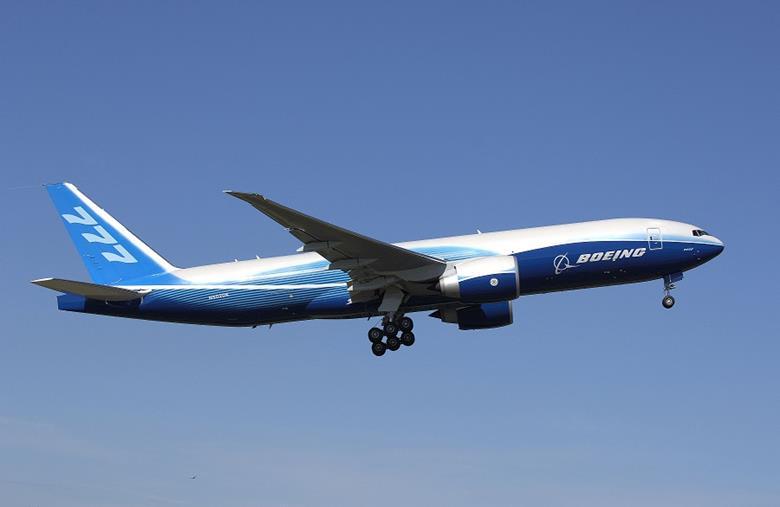
In terms of large widebody freighters, which include the 777F and the new 777-8F, Boeing said 1,280 are estimated to be in the fleet by 2045, up 86.9%,or 595, from 685 last year.
The outlook is positive news for the industry, which has seen sustained demand for widebody freighters amid delays to the newbuild Boeing 777-8F and Airbus A350F programmes, as well as a lack of feedstock for widebody conversions.
While aviation advisory firm IBA found that widebody freighter conversions had exceeded narrowbody conversions for the first time since 2009 last year, this was largely because of a slowdown in the number of narrowbody conversions, rather than an increase in widebody conversions.
International freighter capacity has increased 5% year‑to‑date in 2026, said Boeing. By 2045, 55% of air cargo is anticipated to be carried by freighters.
Through 2045, air cargo traffic is forecast to grow about 3.7% annually, outpacing trade and economic growth.
“Demand is supported by the need to move high‑value, perishable and time-sensitive goods, as well as supply chain reliability and cross-border e-commerce,” said Boeing.