
By Charles Gorrivan, Alex Longley and Stephen Stapczynski (Bloomberg) —
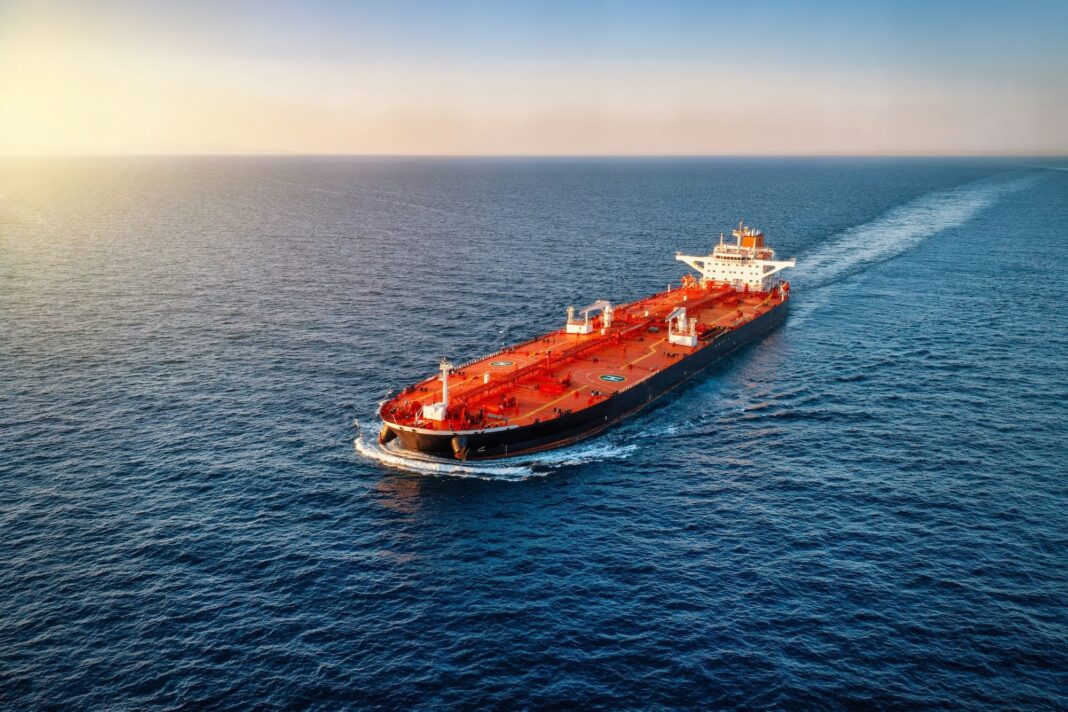
One shipowner is attempting to coax crews to sail through the Strait of Hormuz by offering them an extra six months pay if they’re willing to cross the vital oil channel, offering seafarers a stark choice between large financial rewards and the risk of death.
Sinokor Group, the world’s largest owner of supertankers, distributed such an offer to its seafarers for a round trip to pick up oil from either Saudi Arabia or Iraq and unload it in the Gulf of Oman. The firm offered six months extra salary if they make a return voyage, which it said would take about a month in total, according to a document distributed late last week and seen by Bloomberg.
At least 59 commercial ships have come under attack in and around the Persian Gulf since the war began at the end of February, with 17 seafarers losing their lives, according to the UN’s shipping agency.
The offers — made prior to Monday’s fresh attacks on merchant shipping — underscore the fundamental tension of transiting the waterway, forcing seafarers to either miss out on potentially large rewards or gamble with their own lives.
The Tanker Tycoon Making Millions on Hormuz Shuttle Runs
The highest-paid person on most ships is the captain, who has the ultimate say on navigational decisions. They earn as much as $15,000 a month on oil tankers, according to officials at two shipping companies.
A junior sailor, known as a rating, might earn about $1,500 a month in normal times, an official at one owner said. They have the right to ask to leave a vessel and be replaced if they don’t want to sail into the danger zone.
Make Millions
Shipowners can command millions of dollars for taking their vessels on a trip in and out of Hormuz, and insurers are also now charging huge premiums to transit. The crews however, are the ones taking the greatest personal risk and some are still refusing the extra rewards.
Whether they are willing to make the journey has come under renewed scrutiny since at least two seafarers died in attacks last week, while another vessel was abandoned on Monday. The offers were made after those fatalities.
“They are being offered huge bonuses by some companies,” according to Captain Pradeep Chawla, chairman of GlobalMET, a body that works with the International Maritime Organization to promote seafarer training and education, without specifically referencing the Sinokor offer. “We have heard stories of a large number of crew members getting off, but they are able to find people who are willing to go.”
Sinokor has become a major player in shipping Middle Eastern oil after it managed to amass the world’s largest fleet of supertankers with backing from MSC Mediterranean Shipping Co. The company has been key in helping regional producers get their barrels out, particularly the United Arab Emirates, but also Saudi Arabia and Iraq.
The company didn’t respond to a request for comment outside of usual business hours.
Salary offerings for crossing Hormuz can vary and two people involved in securing crew for vessels transiting the waterway said they were generally seeing lower rates than that offered by Sinokor, adding that there were still significant bonuses on offer. One of them said some shipping firms were adding as much as 60 days of salary to a 30-day contract.
In general, compensation for the voyages has jumped since attacks on shipping began to slow traffic through Hormuz early last week. Pay also rose in the early part of the Iran war, when vessels were being attacked regularly inside the Persian Gulf.
Visible traffic through the strait has declined in recent days, though there’s uncertainty about how much continues to cross the waterway dark, with satellite signals switched off.
© 2026 Bloomberg L.P.
Subscribe for Daily Maritime Insights
Sign up for gCaptain’s newsletter and never miss an update