
Disclosure
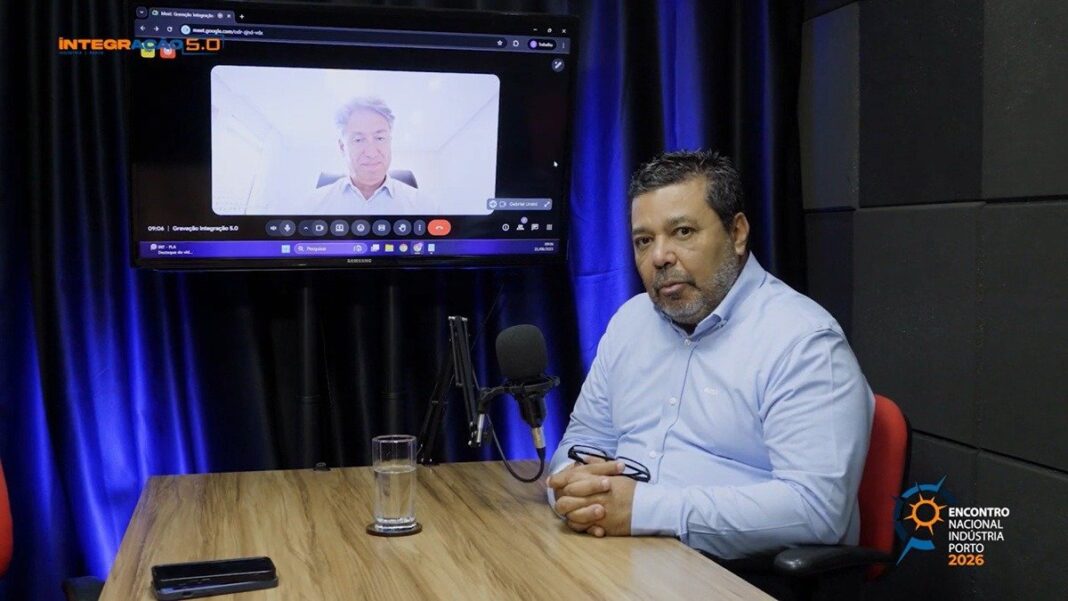
The latest episode of Integration 5.0 brought an in-depth analysis of the future of Brazilian logistics infrastructure and the challenges that the country needs to overcome to maintain its competitiveness in international trade. In an exclusive interview, the consultant Luiz Cláudio Montenegroa reference in the port sector, highlighted that expanding the capacity of Brazilian ports is no longer an option and has become a strategic necessity for national economic development.
During the conversation, Montenegro stated that the Port of Santosresponsible for approximately a third of the Brazilian trade balance, is going through a decisive moment. According to him, the increase in waiting time for ships to dock is one of the main indicators that the current infrastructure is already operating close to its limit.
Super Rectangle (728×90) – Position 17
“When a ship spends days waiting for a spot to dock, the cost of this wait ends up being incorporated into the freight and, consequently, into the Brazilian product. This is one of the components of the so-called Brazil Cost”, he explained.
STS10 is considered essential to expand the capacity of the Port of Santos
One of the main themes covered in the program was the future of Terminal STS10whose concession is considered one of the most important in the history of the national port sector.
In the expert’s assessment, the entry into operation of the new terminal will significantly expand the container handling capacity at the largest port in Latin America, reducing operational bottlenecks and preparing Santos to follow the growth of Brazilian foreign trade in the coming decades.
Montenegro highlighted that the auction needs to take place with clear rules, legal predictability and broad participation of international investors.
“Brazil needs to increase its port capacity before demand definitively exceeds the available infrastructure. STS10 is a strategic piece of this process.”
Free competition must prevail
Another highlight of the interview was the defense of free competition in future port concessions.
According to Montenegro, limiting the participation of large global operators could reduce the competitiveness of the competitions and compromise the attraction of private investments.
For him, the greater the number of qualified companies competing for projects, the greater the possibilities of gains for the country.
“The important thing is to guarantee competition. The people who benefit from this are the port, the users and the entire Brazilian economy.”
Opportunities go beyond Santos
Although the Port of Santos occupied a large part of the debate, the program also analyzed projects considered strategic in other regions of the country.
Among them, the following stand out:
- strengthening integrated logistics in the Açu Port (RJ);
- the new investments planned for the ports of Holy Spirit;
- port expansion projects in Santa Catarina;
- and the need to expand railway connections between producing areas and the main maritime terminals.
In the consultant’s assessment, the integration between railways, highways, waterways and ports will be decisive in reducing logistics costs and increasing the efficiency of the Brazilian export chain.
Long-term planning
Another aspect emphasized during the interview was the need for Brazil to adopt public policies aimed at long-term planning.
For Montenegro, port infrastructure requires investments that produce results over decades and, therefore, need to be protected from frequent changes in political orientation.
“The port sector works with horizons of 20, 30 or even 50 years. Without regulatory stability and consistent planning, it becomes much more difficult to attract private capital”, he noted.
Program reinforces debate on the future of national logistics
The episode of Integration 5.0 reinforces one of the main current debates in the port sector: how to prepare Brazilian infrastructure to keep up with the growth in cargo movement and increase the country’s competitiveness in the international market.
By bringing together technical analyzes and experiences from professionals who closely follow the evolution of national logistics, the program consolidates itself as a relevant space to discuss strategic topics linked to ports, foreign trade and infrastructure.
With the expansion of demand for container and commodity movement, projects such as STS10new railway connections and the modernization of Brazilian ports tend to occupy a central position on the logistics agenda for the coming years, reinforcing the importance of structuring decisions for the country’s economic development.