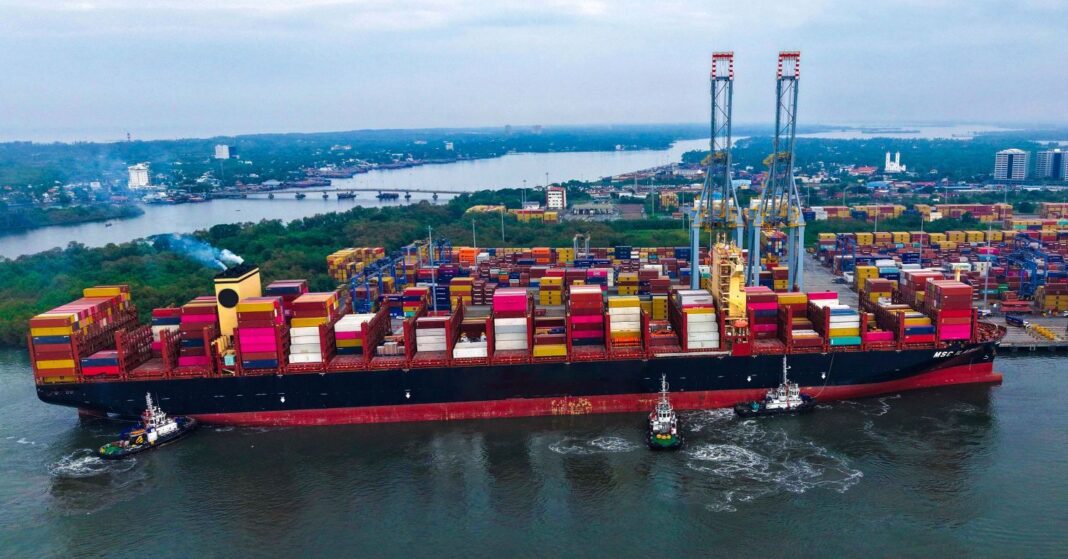


Oil shipments moving through the Strait of Hormuz have climbed above 10 million barrels per day, signaling a significant recovery in one of the world’s most critical energy corridors as the United States expands its military presence to safeguard commercial shipping.
Read also: Hormuz Reopening: What It Means for Global Shipping
According to a U.S. official familiar with the situation, crude flows have rebounded sharply since the interim peace agreement between Washington and Tehran, restoring confidence among shipowners and energy traders after months of severe disruption caused by the conflict.
The recovery marks a dramatic turnaround from the height of the crisis, when hostilities and security threats slashed tanker movements and sent global energy prices soaring. While Iran had previously demonstrated its ability to disrupt one of the world’s busiest shipping lanes, U.S. officials now believe Tehran’s influence over commercial traffic has been significantly reduced.
U.S. Military Presence Boosts Confidence
Officials say the increase in tanker movements has been supported by expanded U.S. military operations coordinated through U.S. Central Command. Naval patrols, air support and enhanced maritime security have encouraged vessels to use the southern shipping corridor near Oman, which is considered safer than routes closer to the Iranian coastline.
The latest shipping figures broadly align with recent vessel-tracking data showing traffic steadily increasing as security conditions improve.
Before the conflict, roughly 20 million barrels of crude oil and refined products passed through the Strait of Hormuz each day. Current estimates suggest more than 10 million barrels per day are now moving through the waterway, with another 5 million barrels reaching markets through alternative export routes, bringing overall regional exports close to pre-war levels.
Shipping Still at the Center of U.S.-Iran Talks
Despite the improvement, the future of navigation through the Strait remains one of the most sensitive issues in ongoing negotiations between Washington and Tehran.
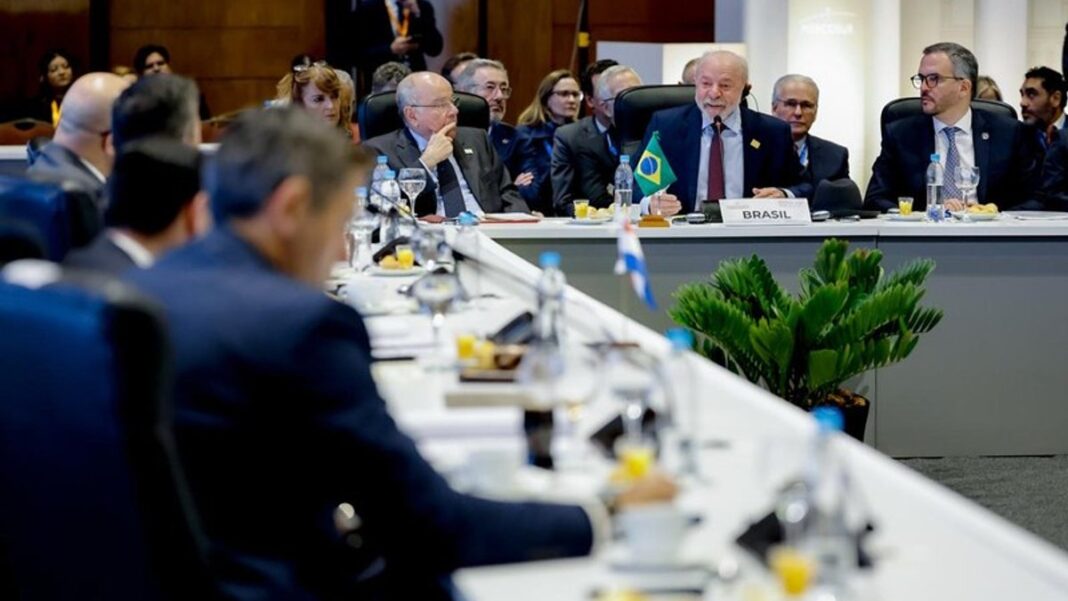
Senior U.S. negotiators are reportedly seeking a long-term agreement that guarantees unrestricted commercial passage through Hormuz after the current 60-day memorandum expires. The temporary arrangement allows vessels to transit without paying fees during negotiations.
President Donald Trump and Secretary of State Marco Rubio have repeatedly stated that any future agreement must preserve free navigation, rejecting proposals that would require ships to pay transit charges or maritime service fees.
Iran, however, has not publicly accepted those conditions and continues to argue that it maintains sovereign rights over navigation in the strategic waterway alongside Oman.
Security Risks Remain
Although commercial traffic has increased, security concerns have not disappeared.
Last week, a Singapore-flagged container vessel was struck by an Iranian drone, briefly raising fears that the fragile ceasefire could collapse. The incident triggered retaliatory military action before diplomatic efforts helped prevent a broader escalation.
U.S. officials believe the attack reflected Tehran’s attempt to demonstrate continued influence over the Strait after realizing that commercial shipping was recovering faster than anticipated under enhanced U.S. security protection.
Officials also say Iran faces growing challenges monitoring vessel movements, particularly in the southern transit corridor where many tankers are now sailing under the protection of allied naval forces.
Industry Watches for Lasting Stability
Shipping companies, oil traders and insurers remain cautious despite the rebound in tanker movements.
Industry stakeholders continue to warn that any attempt to impose transit fees or restrictions on international shipping could violate long-standing principles of freedom of navigation and create a precedent that may affect other critical global trade routes.
For now, tanker traffic continues to move through Hormuz with greater confidence than during the height of the conflict, but shipping executives say lasting stability will depend on a durable political agreement and continued maritime security.
While oil exports are steadily recovering, many in the shipping industry believe the Strait of Hormuz remains vulnerable until negotiations produce a permanent framework that guarantees safe and unrestricted passage for international commerce.