
The Trump administration has revoked its temporary sanctions waiver for Iranian oil exports and launched new military strikes against Iran after renewed attacks on commercial shipping in the Strait of Hormuz shattered the diplomatic breakthrough reached just over two weeks ago.
The Treasury Department’s Office of Foreign Assets Control (OFAC) on Tuesday issued General License X1, revoking the broad sanctions relief granted just over two weeks ago under General License X and replacing it with a 10-day wind-down period for existing transactions.
The new license takes effect immediately and authorizes only activities necessary to unwind previously permitted business through July 17. No new purchases or loadings of Iranian crude, petroleum products or petrochemicals are permitted after July 7. Payments to blocked Iranian parties must instead be placed into blocked, interest-bearing U.S. accounts.
Also on Tuesday, U.S. Central Command said American forces launched “powerful” military strikes against Iranian targets to “impose heavy costs for targeting and attacking commercial shipping crewed by innocent civilians in an international waterway.”
“The U.S. strikes are in response to Iranian attacks on three commercial vessels that were transiting the Strait of Hormuz. Iran’s demonstrated aggression was unwarranted, dangerous, and a clear violation of the ceasefire,” CENTCOM said.
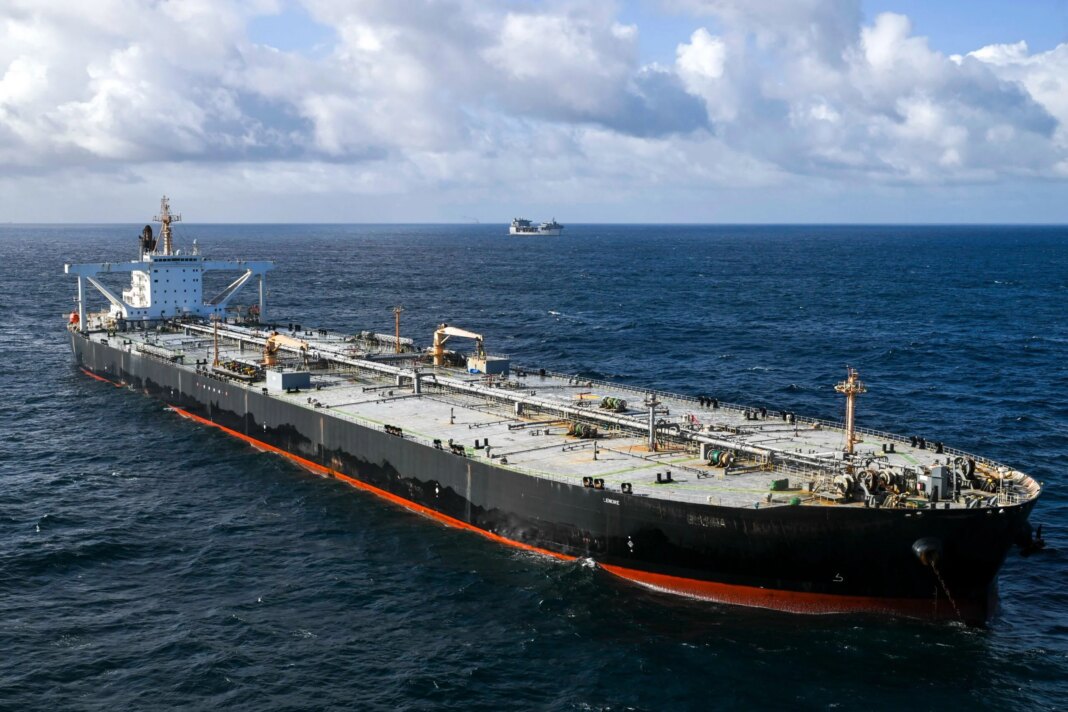
The moves follow a sharp deterioration in security around the Strait of Hormuz. Over the past two days, three commercial tankers have come under attack near the US-coordinated southern route along Oman, prompting the Joint Maritime Information Center (JMIC) to raise its threat assessment for the waterway from “Substantial” to “Severe” and warn that further deliberate attacks on merchant shipping are likely.
General License X had been issued on June 21 as one of the first tangible outcomes of the interim memorandum of understanding between Washington and Tehran. Under the agreement, the United States committed to immediately begin lifting its maritime blockade and provide temporary sanctions relief to facilitate the resumption of Iranian oil exports while the two sides pursued a broader agreement during a 60-day negotiating period.
The authorization marked one of the most significant departures from President Donald Trump’s long-standing “maximum pressure” policy toward Iran. It permitted the production, sale, delivery and offloading of Iranian crude through August 21, while also authorizing a broad range of maritime services, including insurance, vessel management, crewing, bunkering, pilotage, classification and salvage.
Tuesday’s actions effectively unwind that policy shift. With General License X revoked, companies have until July 17 to wind down transactions already underway, restoring sanctions on new Iranian oil trade as the ceasefire and diplomatic process appear to have collapsed.
Subscribe for Daily Maritime Insights
Sign up for gCaptain’s newsletter and never miss an update