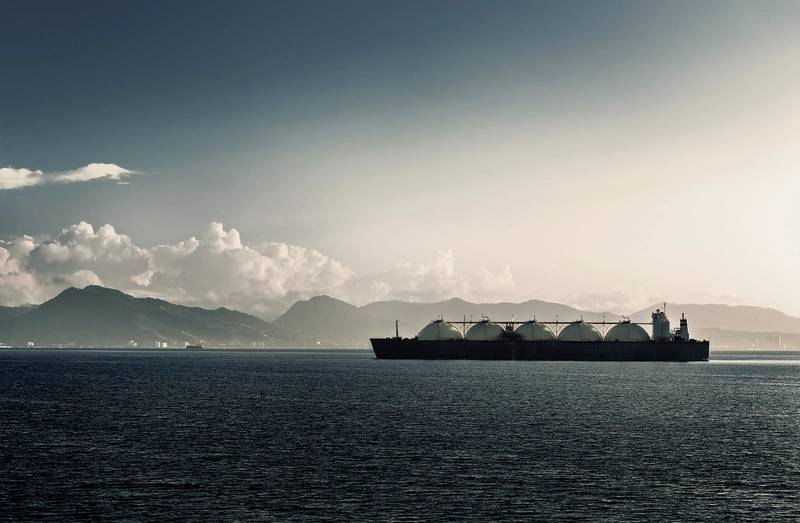

More liquefied natural gas tankers have resumed transiting the Strait of Hormuz in recent days, ship-tracking data showed, and 22 Japan-linked vessels have left the Gulf since Tuesday, Tokyo said, despite renewed fighting in the Middle East.
The Strait of Hormuz, a key route for global oil and LNG shipments, has been closely watched by shipping companies and governments following Iranian attacks this week on commercial vessels and U.S. retaliatory strikes on Iran that have reduced traffic through the waterway.
But at least five ballast LNG tankers have entered the strait in recent days, according to data from Kpler and LSEG.
The vessels include GasLog Shanghai, controlled by Greek shipping company GasLog, and QatarEnergy-linked carriers Al Samriya, Al Dafna, Al Gattara and Al Rayyan.
The GasLog Shanghai and Al Rayyan likely transited into the strait overnight, having been seen outside the waterway on July 9, the data showed.
The other three QatarEnergy-linked vessels were last seen outside the Strait of Hormuz, off the west coast of India several weeks ago, with Al Samriya and Al Gattara last seen around June 18-19 and Al Dafna on June 29.
QatarEnergy and GasLog did not immediately respond to requests for comment outside of business hours.
On Thursday, the Very Large Crude Carrier (VLCC) Nissos Kea entered the strait, while the VLCC Lila Vadinar exited.
“What’s different now, compared to the start of the conflict, is that Iran is striking vessels using the ‘Omani route’ rather than targeting all vessels, which means vessels will increasingly turn towards the ‘Iranian route’ or transit dark when transiting through the strait,” said Xavier Tang, a senior market analyst at Vortexa.
Four Japan-Linked Vessels Remain in Gulf
Meanwhile, 22 Japan-linked vessels, including six large crude oil tankers, transited the strait to exit between July 7 and 9, leaving only four vessels in the Gulf, Japan transport minister Yasushi Kaneko told a news conference on Friday.
Asked how vessel safety had been ensured, an official at the transport ministry’s overseas shipping division declined to comment, citing security concerns.
The number of Japan-linked vessels in the Gulf has dropped from 45 with about 1,100 crew members at the start of the conflict to four vessels with about 100 crew members, according to a spokesperson for the Japanese Shipowners’ Association.
(Reuters – Reporting by Emily Chow in Singapore and Yuka Obayashi in Tokyo; Additional reporting by Florence Tan and Siyi Liu in Singapore and Hina Suzuki in Tokyo; Editing by Tom Hogue and Thomas Derpinghaus)