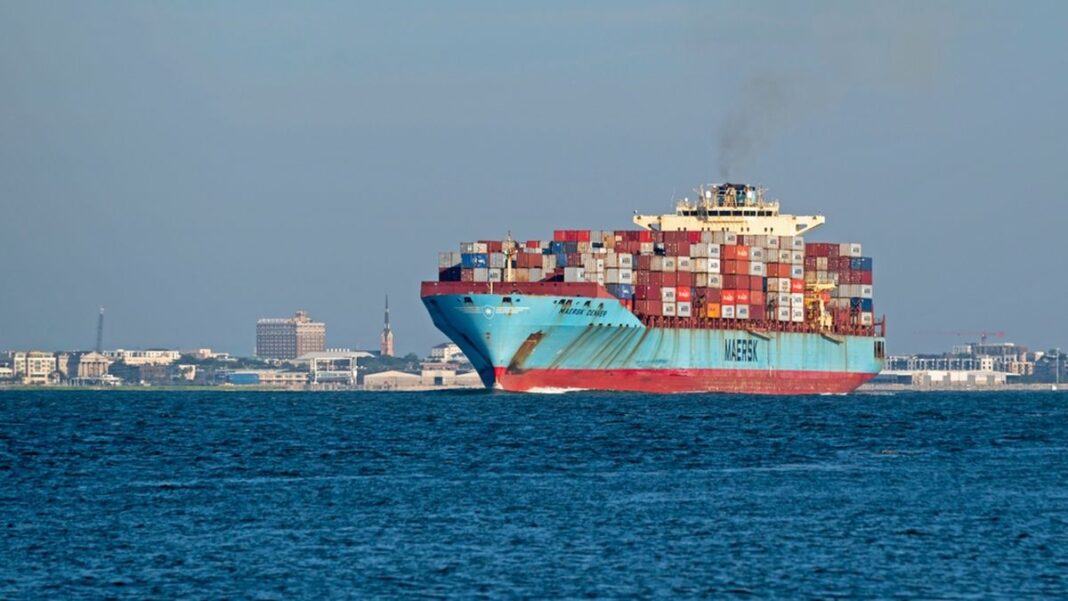

Following growing forecasts of a “super” El Niño event, global transport and logistics insurer TT Club has warned of the potential systemic risk to already stretched global supply chains.
Given the potential of such an event, TT Club is imploring supply chain operators to review their risk management and resilience methods. The latest forecasts, according to the insurer, point to a high probability that the current El Niño climate pattern could escalate into one of the strongest on record – with the European Commission’s joint research centre describing the outlook as “potentially historic”.
More than a standalone incident
TT Club is warning organisations that a super El Niño is not just a weather event, but a systemic risk multiplier that has the potential to exacerbate existing vulnerabilities across global supply chains.
The insurer points to the convergence of climate disruption with ongoing geopolitical pressures, which could ultimately lead to detrimental knock-on effects. These include:
- Transport and logistics disruption – reduced water levels in key transit routes such as the Panama Canal, along with intensified Pacific storm activity, could further erode the reliability of global shipping networks.
- Energy and industrial impacts – extreme heat may lead to surges in energy demand with likely compounding effects to power generation and supply, potentially leading to power rationing and operational in manufacturing hubs.
- Second and third-order effects – organisations may face indirect impacts through supplier disruption, freight cost increases, energy market volatility and working-capital pressures.
Proactive resilience needed
“The trajectory of this El Niño event demands that the logistics and supply chain community takes a proactive rather than reactive approach. The question is not whether disruption will occur, but how prepared organisations are to anticipate and respond to it,” said Neil Dalusrisk assessment manager at TT Club.
He continued: “Those with greater supply chain visibility, diversified sourcing strategies and robust crisis management frameworks will be far better positioned to weather what could be a very challenging period.”
TT Club is urging organisations to take priority actions, including enhanced scenario planning that incorporates compound climate and geopolitical risks, supply chain diversification away from highly exposed geographies, deeper supplier mapping to identify hidden weaknesses, along with the integration of seasonal climate intelligence into decision-making processes.
In May, HLPFI reported that TT Club was urging ports and terminals to prepare for the Atlantic hurricane season for 2026.