03/24/2026 05:58 am – Updated 6 hours ago
2 Min
Disclosure
For the fourth consecutive year, TCP received the International Renewable Energy Certificate (I-REC), for proving the consumption of electrical energy 100% from renewable sources. The certification confirms that the company compensated 114,425 MWh of the electricity it consumed in 2025, surpassing the previous year’s compensation of 112,518 MWh.
Internal Pages – Super (728×90) – Position 14
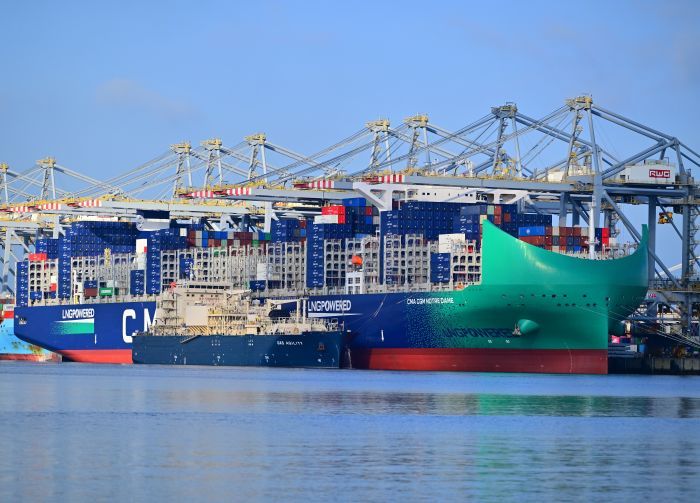
The company assessed the certification as a result of expanding the decarbonization strategy of its operations, with structural measures to reduce emissions and increase the terminal’s energy efficiency, including the electrification of equipment and the use of electric vehicles for internal transport. Furthermore, according to TCP, a master plan for the Energy Management System was drawn up, which led it to have the first port terminal in Brazil with ISO 50001 certification, which recognizes management systems aimed at improving energy performance, reducing waste and controlling emissions associated with energy consumption.
Kayo Zaiats, environmental superintendent at TCP, explained that, due to the increase in energy consumption resulting from the expansion of the terminal’s handling capacity, especially with the expansion of the yard for storing refrigerated containers, measures were adopted to ensure that this growth occurred in a sustainable way, with 100% renewable energy. This included the electrification of equipment, including three RTG cranes used to move cargo on the railway.
According to the company, diesel engines are being replaced by electric generators, which, in addition to greenhouse gas emissions, reduce maintenance time and increase operational efficiency. The estimate is that, with electrification, each RTG crane will no longer emit 257 thousand tons of carbon dioxide per year. TCP also informed that it opened a public tender in January 2026 for the conversion of the other 37 RTG cranes it operates.
Rectangle Indoor Banner (600×250) – Position 13