
AI boom and trade resilience to Middle East crisis lift outlook, but gains to be uneven
Global trade proved more resilient than expected in the first half of 2026 despite the disruption caused by the Middle East conflict, as supply chains adapted and strong investment in artificial intelligence provided a…
Director-General Ngozi Okonjo-Iweala said: "The numbers reflect trade resilience in action. When disruptions strike, an integrated world economy and a rules-based trading system provide economies flexibility to keep essential products flowing to businesses and households that need them. Nevertheless, some have felt the shock more than others, and not everyone can access emerging opportunities like AI. It is essential to ensure that the rules-based trading system continues to absorb shocks and bridge gaps so that opportunities are open to all."
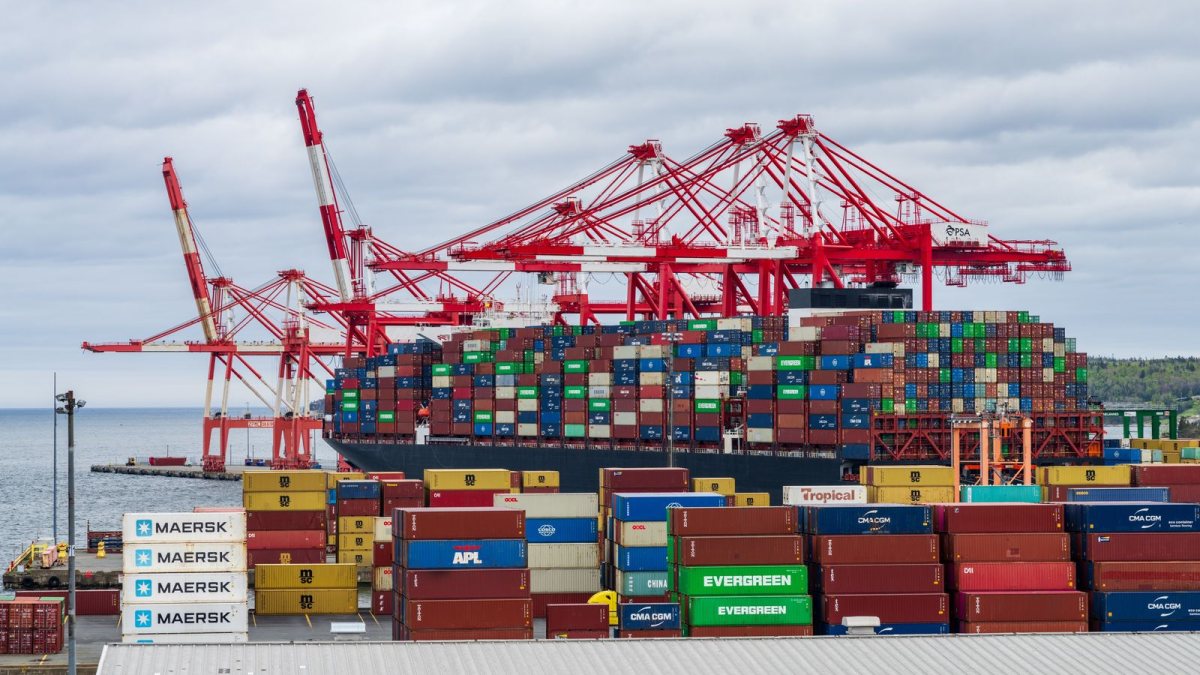
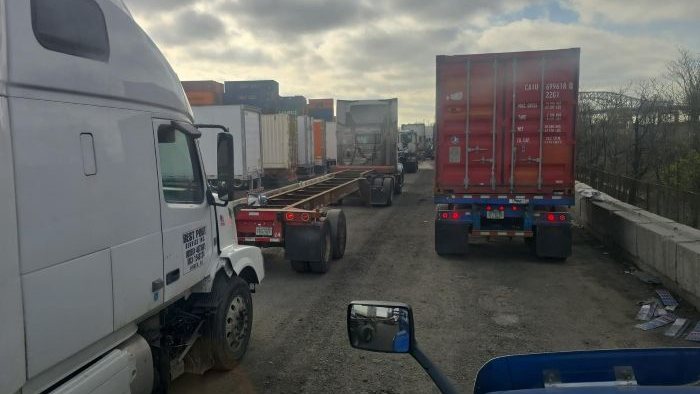
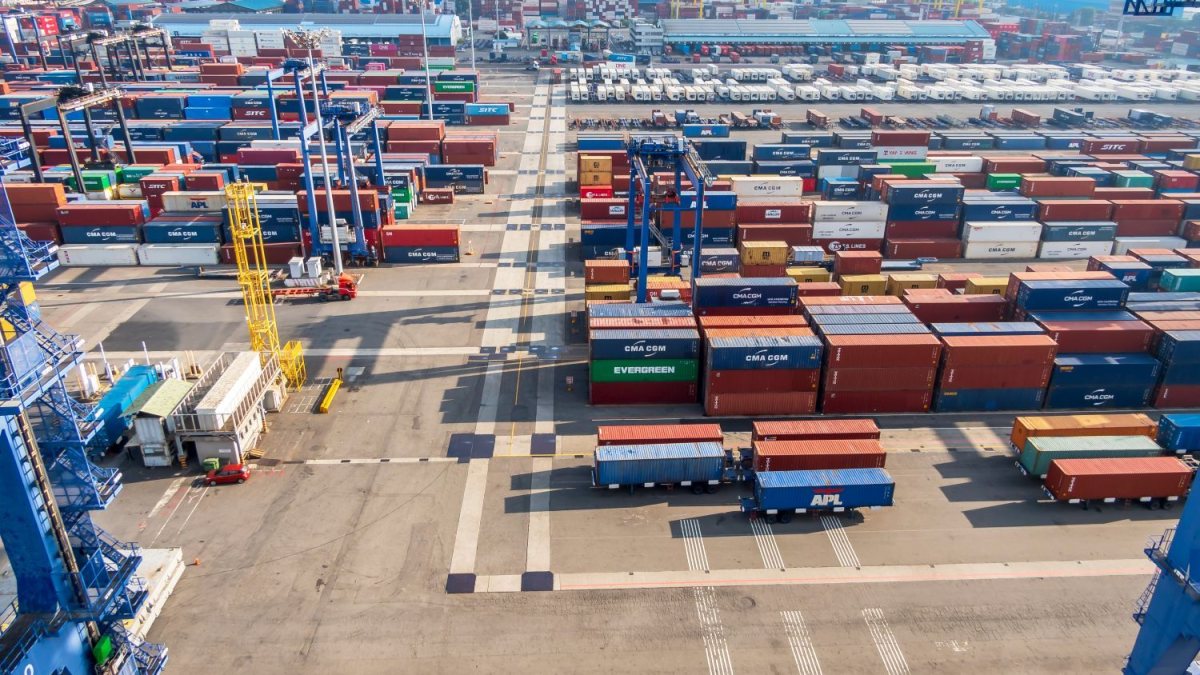
Merchandise trade volume grew by 3.5% in the first half of 2026, exceeding expectations despite the disruption caused by the Middle East conflict. The performance reflected the ability of supply chains to adapt to shocks affecting energy, fertilizer and transport markets. Although crude oil exports from the Middle East fell by roughly 24% and liquefied natural gas (LNG) exports by 47% in the first half of 2026, increased shipments from other suppliers helped limit the decline in global exports to around 6% for crude oil and just 1% for LNG. Fertilizer markets also adjusted despite severe disruption, with global imports of nitrogenous fertilizers only 2.8% below recent averages and phosphatic fertilizer imports 2.2% higher as alternative suppliers stepped in. Meanwhile, trade flows were rerouted through alternative ports and corridors. Global container throughput remained resilient, rising 3.9% year-to-date through July.
This story was originally published by WTO News. Read the full story at WTO News →
Conversation