
Australian wind pipeline faces freight capacity constraints
More than 900 road constraints have been identified as Australia prepares for thousands of wind turbine deliveries, exposing the limits of planning transport project by project. 56 Australian onshore wind energy projects are scheduled…
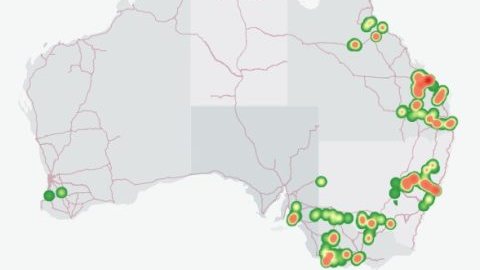
More than 900 road constraints have been identified as Australia prepares for thousands of wind turbine deliveries, exposing the limits of planning transport project by project. 56 Australian onshore wind energy projects are scheduled to start construction by 2030, requiring more than 62,000 oversized vehicle movements, according to Infrastructure Australia, which called for a more coordinated approach to heavy vehicle regulation, freight planning and infrastructure development in order to prevent transport bottlenecks and delays to the onshore wind pipeline.
Its report, Enabling Infrastructure for the Energy Transition, analysed 56 onshore wind projects expected to start construction by 2030. Delivering them would require more than 4,500 turbines to be transported from ports to project sites. This demand is highly concentrated. Ports including Newcastle, Portland, Geelong, Gladstone, Brisbane, Townsville and Adelaide are expected to carry much of the task. Newcastle alone is projected to handle over 14,000 turbine components, with peak demand exceeding 17 movements a day by 2027
The audit identified more than 900 route constraints across the road network, including height restrictions, bridge capacity limitations and port access issues. It said 65 percent of oversize/overmass (OSOM) travel for wind turbine deliveries will take place on the national freight networks. There are eight major corridors across Queensland, New South Wales, Victoria and South Australia that will be essential to delivery.
Infrastructure Australia called for federal, state and territorial governments and stakeholders to plan around the combined freight requirements of multiple projects, not simply a set of individual project logistics tasks. It warned that overlapping delivery schedules could push demand beyond the capacity of key ports and transport corridors.
This story was originally published by Project Cargo Journal. Read the full story at Project Cargo Journal →

Conversation