
Auto Baggers Move Downstream: A New Approach to Packing Station Productivity
For years, automated bagging systems have been viewed primarily as inventory preparation tools. Retailers, e-commerce companies, and third-party logistics providers (3PLs) commonly use systems from suppliers such as Pregis, PAC Machinery, Autobag, and Sharp…
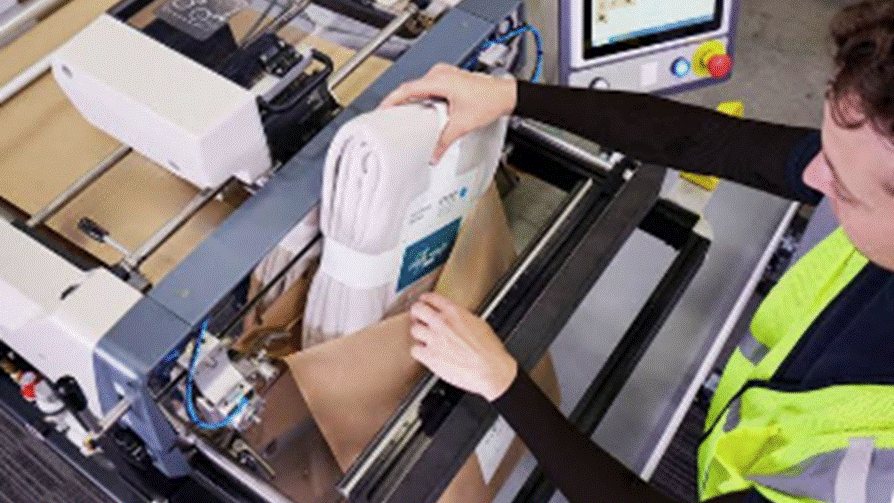
For years, automated bagging systems have been viewed primarily as inventory preparation tools. Retailers, e-commerce companies, and third-party logistics providers (3PLs) commonly use systems from suppliers such as Pregis, PAC Machinery, Autobag, and Sharp Packaging to pre-bag products before storage or fulfillment. The value proposition has traditionally centered on reducing manual packaging labor and improving consistency. However, a growing number of warehouse operators are discovering that automated bagging technology can create even greater value when positioned directly at pack-out stations.
As distribution centers continue to battle labor shortages, rising order volumes, and pressure to improve throughput, the humble auto bagger is becoming an increasingly important tool for modern packing operations.
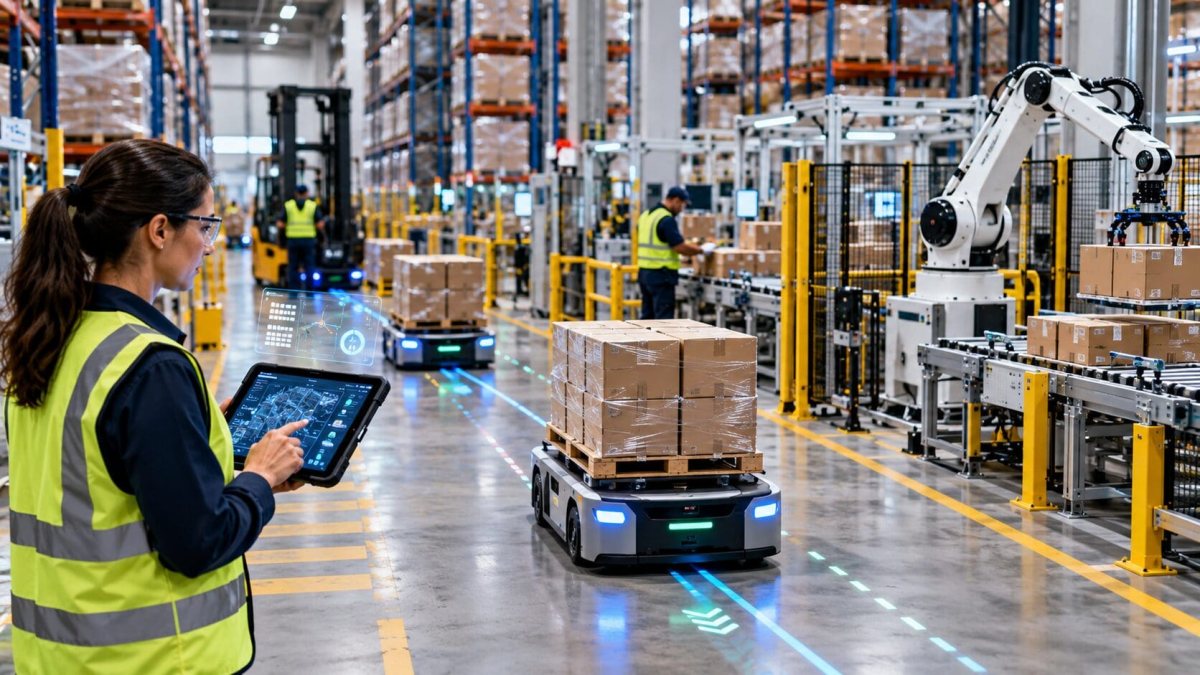
Packing remains one of the most labor-intensive processes within warehouse operations. Associates must select packaging, insert products, seal shipments, apply labels, and move completed orders downstream. Even in highly automated fulfillment centers, much of this work remains manual. Industry investments have focused heavily on goods-to-person robotics, autonomous mobile robots, and automated storage and retrieval systems (AS/RS). Yet many organizations still find packing stations becoming operational bottlenecks.
A typical packer may spend significant time handling bags, opening packaging materials, selecting the correct size, and manually sealing orders. While each activity may only take seconds, those seconds accumulate across thousands of daily shipments. The result is reduced throughput and increased labor costs during peak periods.
This story was originally published by Logistics Viewpoints. Read the full story at Logistics Viewpoints →
Conversation