
Automating your loading docks just got easier
The loading bay is one of the last areas of the warehouse to be automated, but many argue it’s the place that is most in need of a high-tech overhaul, given the physically demanding…
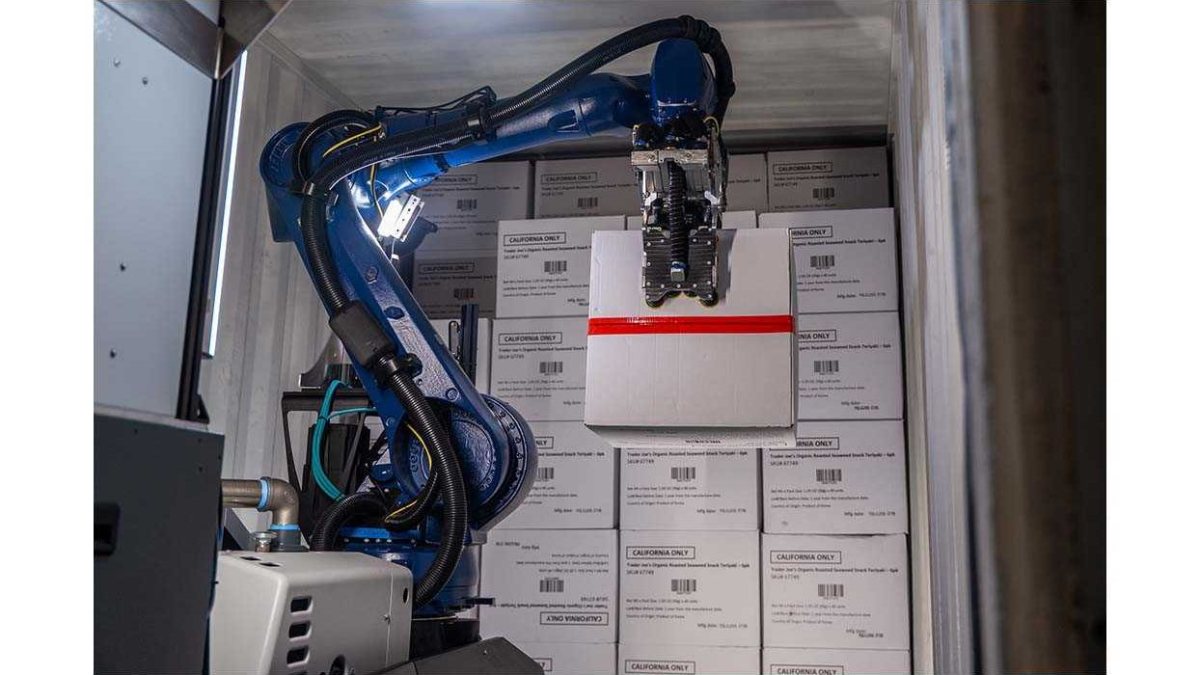
The loading bay is one of the last areas of the warehouse to be automated, but many argue it’s the place that is most in need of a high-tech overhaul, given the physically demanding work involved in loading and unloading trailers day in and day out. Thankfully, times are changing, and advances in “physical artificial intelligence,” commonly known as “physical AI,” are beginning to effect change in this last frontier of the warehouse. Indeed, experts say physical AI—the combination of AI models with sensors, cameras, controls, and robotics—is making it easier to automate loading dock tasks as part of a broader warehouse transformation.
“The loading bay is [actually] an ideal place to start your automation transformation and then expand deeper [inside] the four walls [of the warehouse],” explains Josip Cesic, co-founder and CEO of robotics and AI developer Gideon, which announced the commercial availability of Trey, an autonomous forklift for pallet loading and unloading, in October. Relieving labor challenges at the loading dock and creating a more seamless flow of products into and out of the building is a logical springboard for warehouse automation, he and others argue.
This story was originally published by DC Velocity. Read the full story at DC Velocity →


Conversation