
Bangladesh garment unrest keeps 360 factories idle after minimum wage rises 36%
Production remained suspended at 360 garment factories in Bangladesh on 26 November 2026, a day after the country’s Minimum Wage Board raised the sector’s monthly minimum wage by 36 per cent to Tk17,000. The…
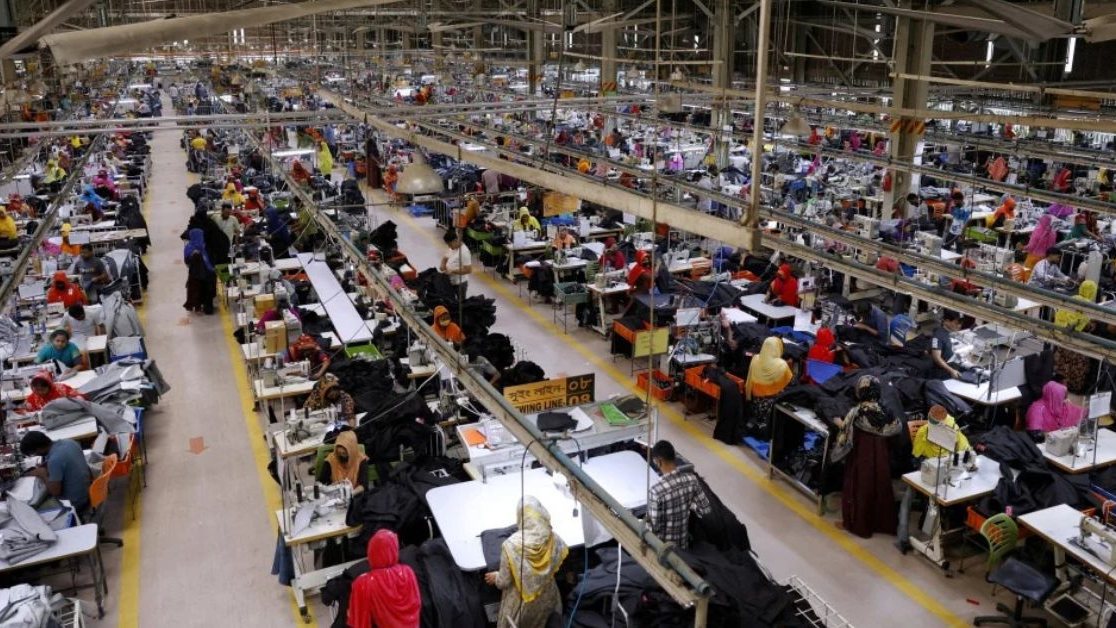
Production remained suspended at 360 garment factories in Bangladesh on 26 November 2026, a day after the country’s Minimum Wage Board raised the sector’s monthly minimum wage by 36 per cent to Tk17,000. The Bangladesh Garment Manufacturers and Exporters Association (BGMEA) reported the stoppages as labour unrest continued across Gazipur, Savar and Ashulia, key manufacturing areas around Dhaka.
Of the 360 factories, 213 declared holidays amid worker dissatisfaction and concerns about further unrest. Another 147 were closed under Section 13(1) of the Bangladesh Labour Act, which allows factories affected by labour unrest to suspend operations without paying wages during the closure. BGMEA president Mahmud Hasan Khan Babu said some factories had reopened, though disruption remained widespread.
Some workers returned to production lines in Savar and Ashulia on Thursday, while protesters in Gazipur attempted to block the Dhaka–Mymensingh highway near the Bhogra bypass. Labour and Employment Minister Ariful Haque Choudhury said he expected factories to resume operations on Saturday, 28 November. That was the government’s expectation at the time of his briefing.
The new wage structure raises entry-level monthly pay by Tk4,500 from Tk12,500, the minimum set in 2023. Under the four-grade structure, monthly pay ranges from Tk17,000 for Grade 4 workers to Tk21,500 for Grade 1. The new rates take effect on 1 December, with workers expected to receive their first salaries under the revised scale in January.
This story was originally published by Maritime Gateway. Read the full story at Maritime Gateway →

Conversation