
‘‘By 2028, AI will be making more than a quarter of operational decisions in warehouses’’
More than half of companies (57%) expect that by 2028, AI will autonomously make or carry out more than a...
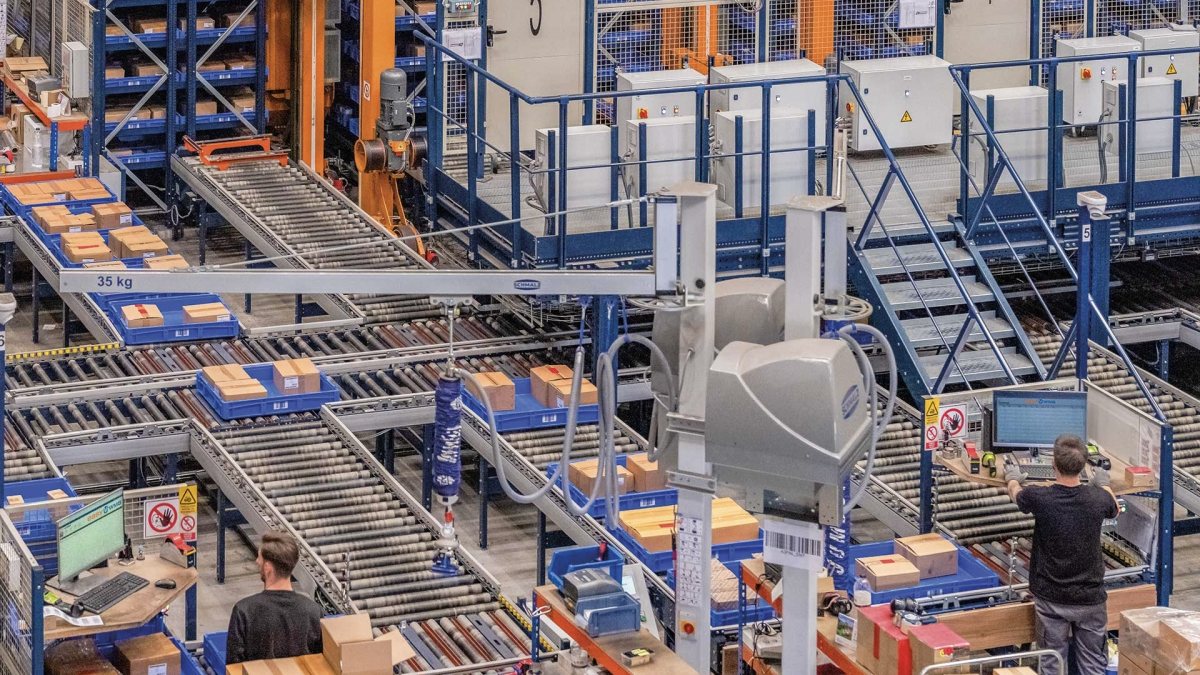
More than half of companies (57%) expect that by 2028, AI will autonomously make or carry out more than a quarter of operational decisions in their warehouses. Furthermore, 90 per cent expect to invest more in AI over the next two to three years. These are some of the conclusions from ‘The state of generative and agentic AI in warehouse operations’, a new report by the Intelligent Logistics Systems Lab at the MIT Centre for Transportation & Logistics and Mecalux.
The research is based on responses from nearly 2,000 professionals across 21 countries with experience in supply chains and warehouse operations. It examined where generative and agentic AI are being deployed, which applications are delivering results, and how companies are managing autonomy and oversight as these technologies become increasingly widespread.
The adoption rate is already high: 61 per cent of organisations state that they are using generative AI (GenAI) on a large scale or have fully integrated it, compared with 56 per cent for agentic AI. Most applications are still at an early stage: around three in four have been in their current implementation phase for less than a year.
87 per cent of GenAI applications and 81 per cent of agentic AI applications delivered at least a moderate improvement in the targeted performance indicators, according to respondents. However, only 39 per cent and 36 per cent of these applications, respectively, show significant improvements that have been quantified and documented. Where respondents were able to estimate the operational improvement, it amounted to around 20 per cent for the most important indicator examined.
This story was originally published by Supply Chain Movement. Read the full story at Supply Chain Movement →


Conversation