
Cargo’s new look: how hydrogen could change how we see air logistics
When alternative and sustainable aviation fuels are discussed, it is predominantly within the operational capacity of the aircraft. Some may picture the freighters of today remodelled invisibly with either powerful batteries or hydrogen fuel…
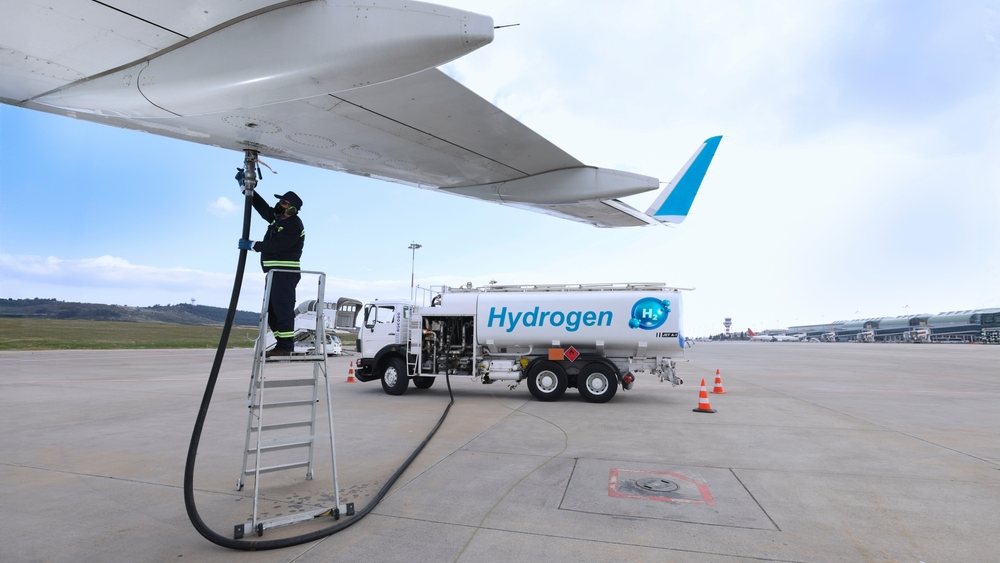
When alternative and sustainable aviation fuels are discussed, it is predominantly within the operational capacity of the aircraft. Some may picture the freighters of today remodelled invisibly with either powerful batteries or hydrogen fuel cells that would not necessarily alter outward appearances too radically. But what if the future of hydrogen powered flight changed the way we envisage air cargo?
Today, an aircraft engine can be certified on its own and then fitted to various airframes. What if, however, that were reversed and hydrogen-electric aircraft were designed the other way round, with the airframe built for its purpose and the propulsion system tailored to it?
How would more conventional aircraft of the future have to be designed to accommodate hydrogen powered flight? How would the sky look if eVTOL’s powered by hydrogen-electric were a primary go-to for routine cargo movements?
Reversing the principles of aircraft design This is a potential future envisaged by H2Fly, and its CEO Ralph Müller who advocates for a new approach to hydrogen powered flight, that looks at the fuel first and optimises the aircraft around it, whether it be autonomous or piloted.
This story was originally published by Air Cargo Week. Read the full story at Air Cargo Week →
Conversation