
Cargo theft drives need for “cybershields”
Cargo theft is on the rise, and we’re not just talking about small-scale shoplifting. Across the globe, entire trailers and containers are going missing.Newspaper headlines from the past year alone tell the story, describing…
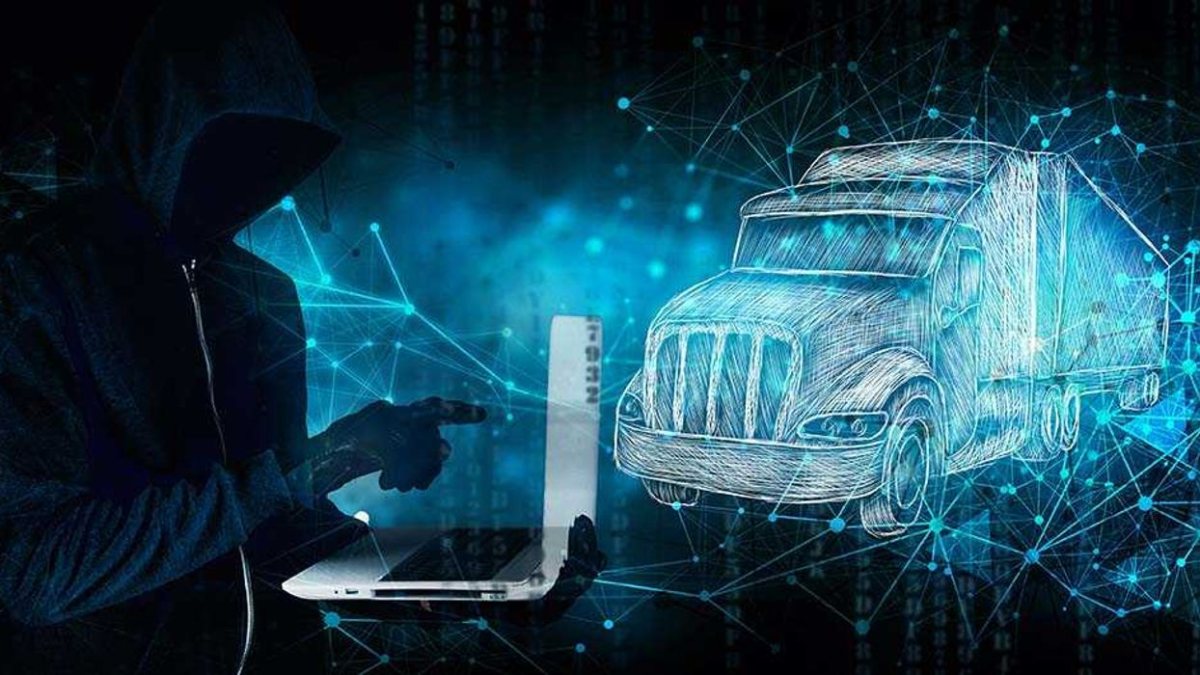
Cargo theft is on the rise, and we’re not just talking about small-scale shoplifting. Across the globe, entire trailers and containers are going missing.
Newspaper headlines from the past year alone tell the story, describing how thieves swiped 11,000 bottles of bourbon from a North Philadelphia warehouse, $1.7 million worth of condoms headed to a Walmart DC in Pennsylvania, 40,000 pounds of Pabst Blue Ribbon beer from a California warehouse, $400,000 worth of lobsters from a Massachusetts seafood warehouse, and 400,000 KitKat chocolate bars from a warehouse in Poland.
But talk to the logistics professionals who oversee warehouse docks and freight yards, and few of them blame armed mobsters or masked carjackers. Rather, the culprits frequently drive up to a DC in broad daylight, present realistic-looking credentials, then hook up their tractor to a loaded trailer and cruise off down the highway. A few days later, that facility might get a call from a confused customer who never received their shipment. But by then it’s too late, and the entire load has vanished into thin air.
In the words of Curtis Spencer, CEO of global trade service specialist IMS Worldwide, “criminals are increasingly walking through the front door instead of breaking down a gate. Fictitious pickups, where someone shows up with forged carrier credentials and a booking that looks completely legitimate, are climbing fast, and [recent statistics show] that nearly a third of U.S. cargo theft incidents last year involved no forced entry at all: just a stolen identity, a cloned motor carrier number, or a hijacked email thread.”
This story was originally published by DC Velocity. Read the full story at DC Velocity →
Conversation