
Carnival Corp. Emphasizes Strategy of Fleet Optimization Over Newbuilds
Carnival Corporation’s recent decision to move cruise ships between brands and reposition ships from certain markets is a demonstration of a strategy...
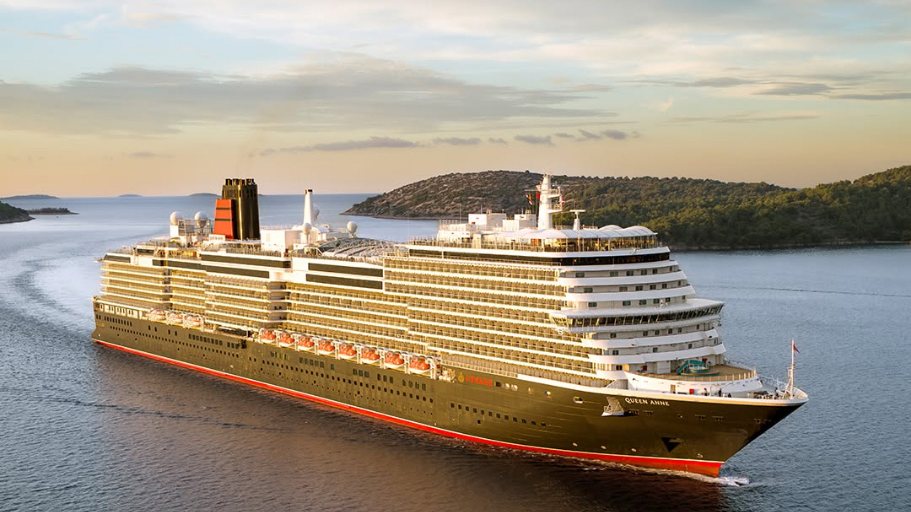
Carnival Corporation’s recent decision to move cruise ships between brands and reposition ships from certain markets is a demonstration of a strategy focused on optimizing its operations. Post the COVID-19 pandemic, Carnival Corporation is eschewing the strategy of competitors such as Norwegian Cruise Line Holdings and MSC Cruises, which are emphasizing shipbuilding and fleet modernization, while Carnival is instead following a strategy of measured capacity growth and maximizing its existing assets.
For Carnival Corporation, this is playing out in several different steps. It was the only one among the major cruise brands not to introduce a new ship in 2026 across any of its eight brands. Its total fleet numbers 92 cruise ships with approximately 270,000 berths, but it also delivered two ships, Costa Fortuna (2,700 passengers) and Seabourn Sojourn (458 passengers), to new owners.
The shipbuilding orderbook for the corporation shows a similar skewing to match the corporate strategy. Overall, it has the second highest number of berths on order (nearly 52,000), but it is deceptive as it is the lowest percentage (19 percent of current capacity) among the major lines. The orderbook is also concentrated on Carnival Cruise Line, which has five ships due by 2033, representing a more than 30 percent increase in capacity. AIDA also has two ships on order, while Princess Cruises placed long-term orders for delivery between 2035 and 2039. So far, there have been no post-pandemic orders for the other five brands.
This story was originally published by The Maritime Executive. Read the full story at The Maritime Executive →

Conversation