
Caspian Shipping Routes into Iran Under Pressure
Other media outlets have joined The Maritime Executive’s examination of the alternative trade routes into Iran, now that the U.S. blockade of Iranian...
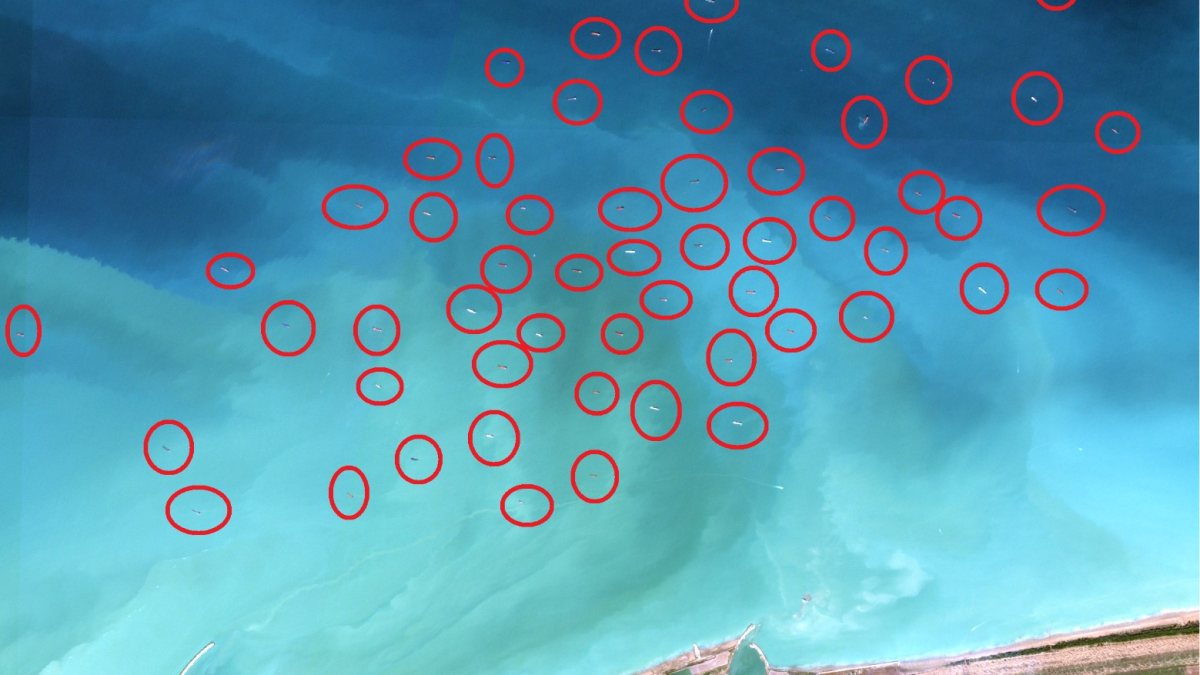
Other media outlets have joined The Maritime Executive’s examination of the alternative trade routes into Iran, now that the U.S. blockade of Iranian ports and ships – plus the foreclosure on ship-to-ship transfers – is having a marked effect.
Before the blockade, 80% of Iran’s imports were handled through the port of Bandar Abbas, and Iran’s transport infrastructure was set up to handle the distribution of goods landed at Bandar Abbas efficiently across the country. Now that Iran is looking for alternative trading routes, the channels which used to handle the remaining 20% of imports are struggling to handle the extra volume of goods now diverted from Bandar Abbas.
The build-up of traffic on Turkish road routes into Iran is particularly marked, with trucks now queuing for at least a week to get through the border crossing point at Bazargan. Practical limitations of moving freight over long trucking routes through the difficult terrain of northwest Iran in winter probably mean that volumes cannot increase by more than 100% from pre-blockade levels – far less than is needed to make an appreciable difference to prices of foodstuffs and essentials within Iranian cities.
The IRGC in any case needs to search every truck and keep a careful watch over incoming goods, given the ease with which remotely operated machine guns, Starlink terminals, bomb-equipped drones and other paraphernalia of intelligence-led warfare have been imported into Iran in the past. Clearly, internal security is a major worry for the IRGC in current circumstances, and watchfulness is needed.
This story was originally published by The Maritime Executive. Read the full story at The Maritime Executive →

Conversation