
Cebu’s Port Charges Are Rising. Look Beyond the Tariff.
A higher port tariff is easy to spot. What it does to…
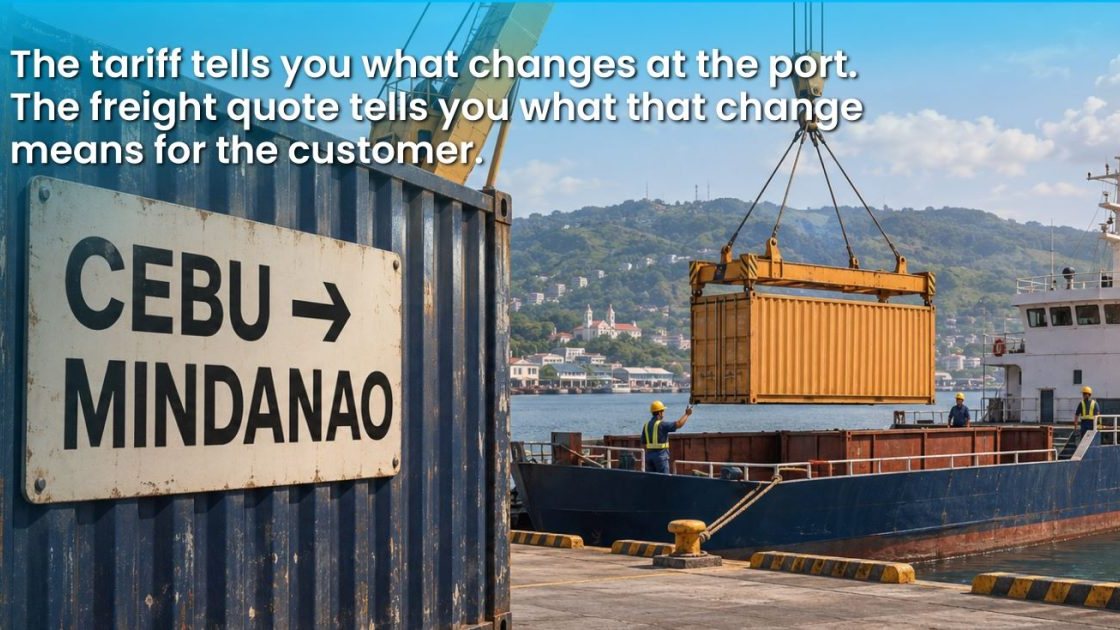
A higher port tariff is easy to spot. What it does to the cost of moving a shipment takes more work to understand. For businesses using Cebu’s ports, that distinction matters as a new increase in domestic cargo-handling charges approaches.
The Cebu Port Authority’s Memorandum Circular No. 07, dated October 29, approves a total increase of 25%, including cranage. It provides for two stages: an initial 12.5%, followed by the full 25% increase from July 1, 2027. The attached rate tables exclude VAT.
These details matter when a forwarder explains the change to a customer. A rise in cargo-handling charges is not the same as an equal rise in the entire freight bill. Sea freight, trucking, storage and other services have their own cost bases. Passing on a headline percentage without showing which charges changed makes a difficult conversation harder.
There is a fair case for reviewing port charges. Cargo handlers must pay workers, maintain equipment and keep services available. During consultations, operators pointed to higher wages, fuel costs and other expenses. Business groups, facing cost pressures of their own, sought a phased approach.
This story was originally published by PortCalls Asia. Read the full story at PortCalls Asia →


Conversation