
China Shock 2.0: Rethinking Its Role in Dry Bulk
BRS Weekly Dry Bulk Newsletter

China’s role in dry bulk shipping needs reassessing. Property development, infrastructure and rising consumption once provided a broad foundation for raw-material imports. Today, the debate over “China Shock 2.0” reflects two interpretations: an external view emphasising excess production and weak domestic demand, and Beijing’s view emphasising competitiveness and industrial upgrading. For shipping, both point towards the same question: as China’s production increasingly serves overseas markets, how does demand shift between inbound raw materials and outbound industrial cargoes?
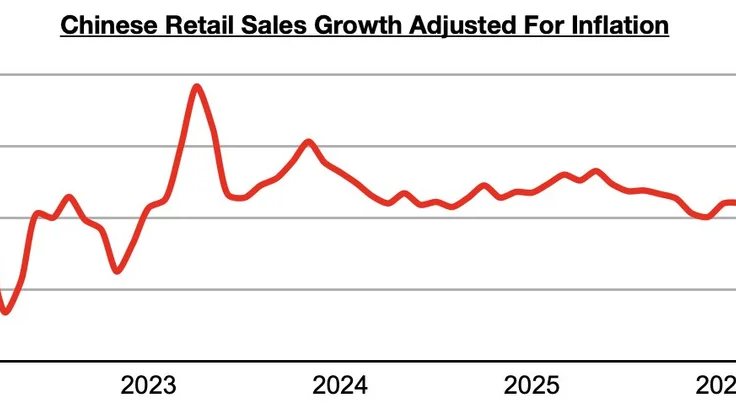
The economic imbalance is increasingly visible. According to the National Bureau of Statistics (NBS), manufacturing value added rose 5.7% in the first nine months of 2026, while retail sales increased by just 1.1% and property investment fell by 20.6%. The NBS acknowledged that “the issue of insufficient domestic demand remains prominent”. Production and domestic spending are following different paths, creating conditions in which subdued import growth can coexist with expanding exports.
AXSMarine data show this divergence clearly. Across January–September loadings, Chinese imports increased by 1.6% to 1.74 billion tonnes, while exports rose 18.5% to 229.3 mln mt. Thereby demonstrating that on an absolute basis, exports rose by a larger increment (35.7 mln mt) than imports (27.3 mln mt ). Compared with the same period in 2024, exports were 40.3% higher, against only 1.9% growth in imports. China remains overwhelmingly an import market, but its incremental contribution to dry bulk shipping is rapidly becoming more outward-facing.
This story was originally published by Breakwave Advisors. Read the full story at Breakwave Advisors →

Conversation