
Closing the project logistics data gap
Purpose-built software promises to connect project logistics workflows, from estimating and procurement to delivery and cost control. But turning fragmented information into better decisions depends on reliable data, user adoption and proof of performance…
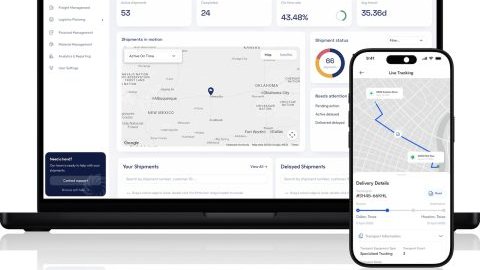
Purpose-built software promises to connect project logistics workflows, from estimating and procurement to delivery and cost control. But turning fragmented information into better decisions depends on reliable data, user adoption and proof of performance on live projects. Spreadsheets, emails and disconnected systems remain embedded in major capital projects. Project logistics management platform Emerger believes it has the answer to bring the complete logistics management workflow under one roof.
Few industries present a greater contradiction between the complexity of their physical operations and the simplicity of some of the tools used to manage them than project logistics.
A single project can involve thousands of purchase order line items, numerous suppliers and logistics service providers (LSP), multiple transport modes and delivery schedules dictated by construction activity thousands of kilometres away. Yet the information connecting those activities is often distributed across systems that were never designed to communicate with one another.
It was a frustration familiar to Emerger co-founders Sam Holmes and Camille Nabolle. Holmes has 14-plus years of experience on the shipper side of the aisle with major EPCs managing projects in the USA, Saudi Arabia, Singapore and Israel, plus experience in the small parcel sector handling global fulfilment for major consumer brands. He described growing frustration that project cargo processes had barely evolved, something he attributed to technological limitations.
This story was originally published by Project Cargo Journal. Read the full story at Project Cargo Journal →



Conversation