
Drewry sees case for potential Maersk-ONE alliance on North-South trades
A potential alliance between Maersk and Ocean Network Express (ONE) on North-South container trades would reflect growing incentives for carriers to cooperate beyond the traditional…
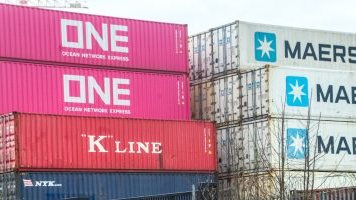
A potential alliance between Maersk and Ocean Network Express (ONE) on North-South container trades would reflect growing incentives for carriers to cooperate beyond the traditional East-West routes, according to Drewry, which argues that changing vessel deployment patterns and competitive pressures are strengthening the case for greater cooperation in these markets.
The commentary follows media reports of a potential arrangement between ONE and Maersk, although neither carrier has confirmed that such talks are under way. That being said, Maersk has already demonstrated a willingness to move beyond conventional alliance structures through its Gemini Cooperation with Hapag-Lloyd, whose hub-and-spoke model has delivered high schedule reliability, faster vessel turnaround times and improved vessel utilisation, while also generating operating efficiencies.
Although cooperation on North-South routes has traditionally been limited to individual vessel-sharing agreements (VSAs), slot exchanges and regional consortia, Drewry sees an “increasingly compelling” case for more structured partnerships. Average container ship sizes deployed on these trades are increasing, partly as a result of the cascading of larger vessels from East-West routes, while carriers face substantial newbuilding deliveries over the next few years. Pooling capacity and rationalising overlapping services could therefore help carriers improve vessel utilisation, spread operating costs and maintain broader networks without having to operate multiple competing services independently.
“If a broad alliance does indeed materialise and delivers meaningful cost and service advantages, it could encourage other carriers to pursue similar arrangements, potentially accelerating consolidation of North-South service networks and increasing competitive pressure on smaller operators,” Drewry said.
This story was originally published by World Cargo News. Read the full story at World Cargo News →


Conversation