
EU freight links keep Ukraine’s industrial supply chains moving
Steel, iron ore and other industrial goods moving out of Ukraine, alongside imports including vehicles, fuel and military assistance, are increasingly dependent on the EU’s Solidarity Lanes, the European Commission has said. The dedicated…
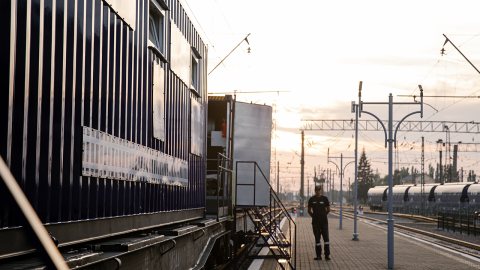
Steel, iron ore and other industrial goods moving out of Ukraine, alongside imports including vehicles, fuel and military assistance, are increasingly dependent on the EU’s Solidarity Lanes, the European Commission has said.
The dedicated network of road, rail and inland waterway routes accounted for nearly all of of Ukraine’s non-agricultural exports in October, compared with around 5 percent moving through the Black Sea. It also facilitated nearly all Ukrainian imports.
Since the routes were established in May 2022 following Russia’s full-scale invasion, they have enabled the export of approximately 134 million tonnes of non-agricultural goods, including iron ore, steel and related products.
They are equally important for inbound freight. Since their launch, they have enabled Ukraine to import approximately 118 million tonnes of goods, including fuel, vehicles and fertilisers, as well as military and humanitarian assistance.
This story was originally published by Project Cargo Journal. Read the full story at Project Cargo Journal →

Conversation