
Feds charge driver in alleged $12M cargo theft scheme built on hijacked carrier identities
At least 24 shipments vanished after drivers collected merchandise from distribution centers. Authorities also uncovered fraudulent licenses, altered identities and ransom demands.
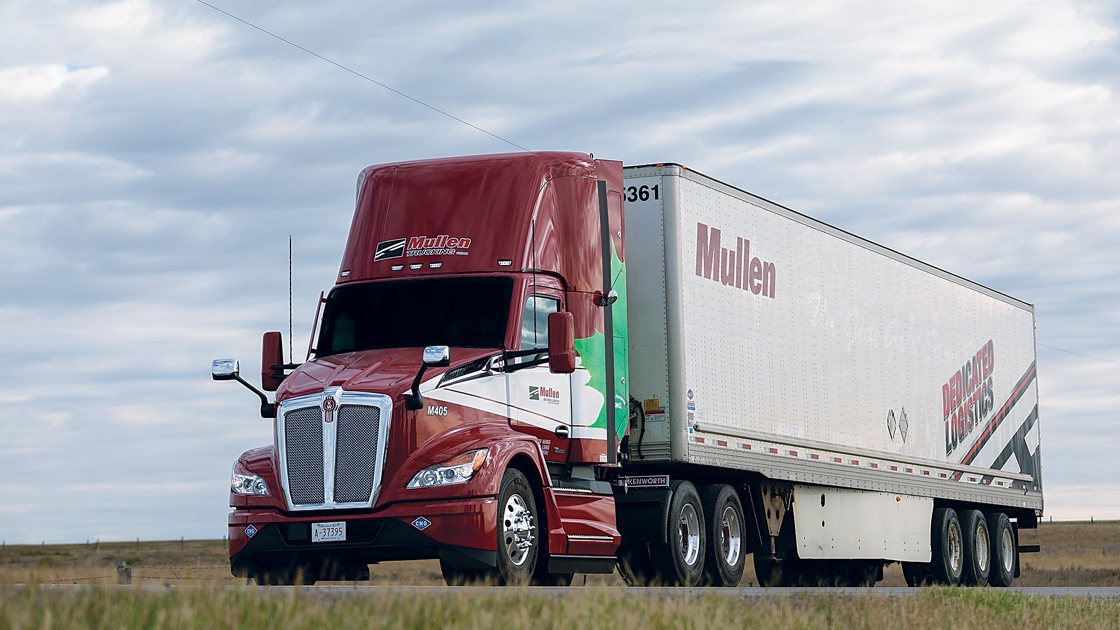
Federal prosecutors have uncovered an alleged cargo theft conspiracy involving at least 24 freight shipments and millions in stolen merchandise. Investigators say suspects took control of established trucking companies and used their identities to secure legitimate freight contracts. Drivers then collected shipments from distribution facilities, but the cargo never reached its intended destinations. Authorities estimate that thefts involving one defendant exceeded $12 million in retail value.
The U.S. Attorney’s Office for the District of Connecticut announced federal charges against Nursulton Khaydarov on October 21. Khaydarov, 33, is a citizen of Uzbekistan and lawful permanent resident of the United States. Prosecutors accuse him of participating in a conspiracy that targeted interstate shipments from California and other locations. He pleaded not guilty during an appearance in federal court in Bridgeport, Connecticut.
According to federal investigators, the operation began around September 2025 and involved multiple motor carriers. Participants purchased trucking businesses or otherwise assumed control of their existing operations. They obtained U.S. Department of Transportation numbers, motor carrier identification numbers, business email accounts and ownership identities. The group then impersonated previous owners to negotiate transportation agreements with freight brokers.
The suspects relied on established business identities rather than creating entirely new trucking companies. Prosecutors contend that these arrangements allowed participants to exploit existing reputations and relationships within the freight industry. Brokers negotiated interstate transportation contracts with individuals posing as legitimate carrier representatives. After drivers collected the merchandise, the shipments disappeared before reaching their scheduled delivery locations.
This story was originally published by FreightWaves. Read the full story at FreightWaves →

Conversation