
Finland Sees Continued Demand for Icebreakers Despite Warming Winters, Citing Security Concerns
Finland expects to operate at least as many icebreakers in the coming decades as it does today, despite rising temperatures and declining average ice coverage in the Baltic Sea. This is the conclusion of…
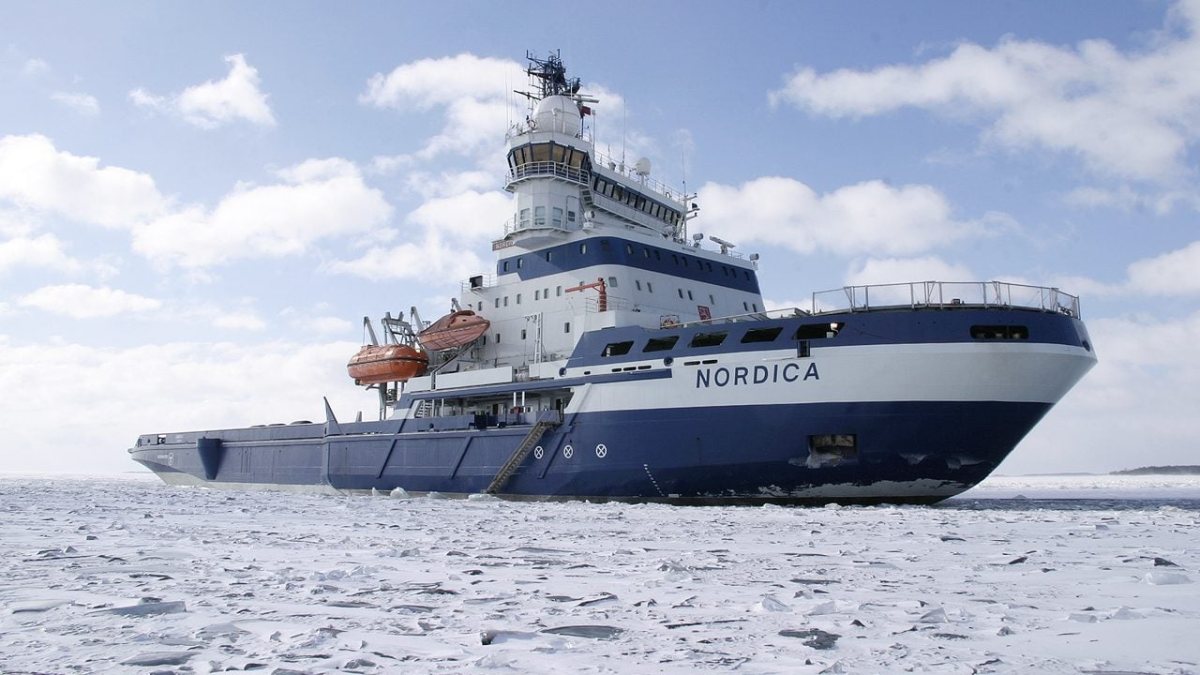
Finland expects to operate at least as many icebreakers in the coming decades as it does today, despite rising temperatures and declining average ice coverage in the Baltic Sea. This is the conclusion of a new government-commissioned report that also highlights growing security requirements and changes in the commercial shipping fleet.
The Finnish Transport Infrastructure Agency (FTIA) published the proposed 2026–2045 fleet renewal program earlier this week, outlining a phased replacement of the country’s aging icebreakers. The assessment, prepared in cooperation with the Swedish Maritime Administration, concludes that climate change will make ice conditions more variable and difficult to predict. Changes in merchant ship designs are also increasing the need for icebreaker assistance.
Although average ice coverage is expected to decrease, Finland will continue to experience winters with severe ice conditions. The report also points to planned offshore wind farms in the Baltic Sea altering ice dynamics and narrowing the navigable areas available to commercial shipping. Further modeling of the effects is expected in early 2027.
Another factor is the declining ice-going capability of newer commercial vessels. The report finds that merchant ships increasingly have lower engine power relative to their cargo capacity, less suitable bow designs and towing arrangements, and larger windage areas. As a result, even vessels with relatively high ice classifications often struggle to navigate independently in ice compared with older ships.
This story was originally published by gCaptain. Read the full story at gCaptain →
Conversation