
French rail freight grows 4.4% as semi-trailer traffic jumps 42%.
French rail freight grew by 4.4% in 2025, following a 9.9% increase in 2024, while total inland freight transport declined by 1.9%. Road freight fell by 2.8%, allowing rail to…
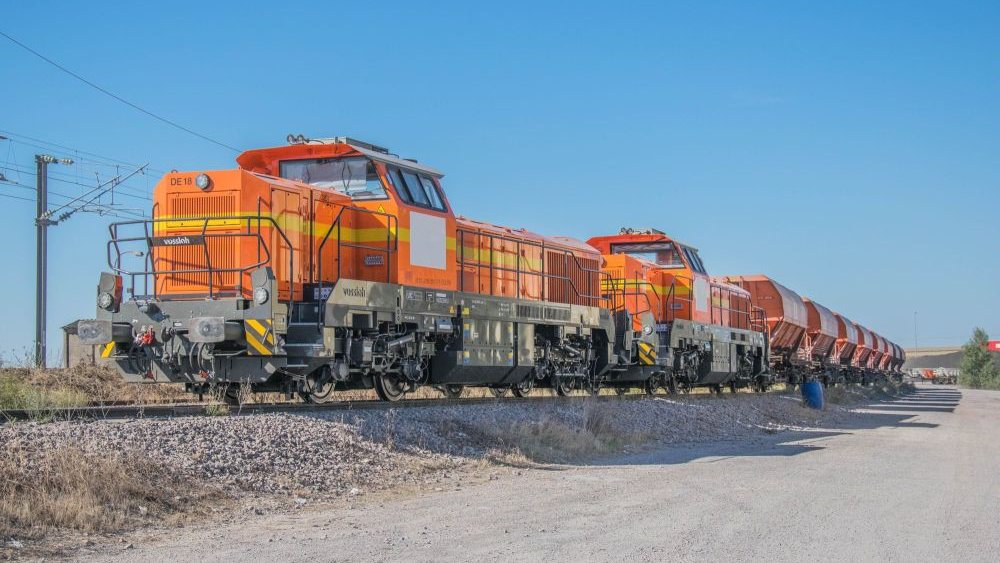
French rail freight grew by 4.4% in 2025, following a 9.9% increase in 2024, while total inland freight transport declined by 1.9%. Road freight fell by 2.8%, allowing rail to increase its modal share to approximately 10%, compared with 9% a year earlier.
The figures come from the 2025 annual transport report, published on 10 November 2026 by France’s statistical service SDES.
Semi-trailer transport drives intermodal growth
Combined rail transport increased by 7.6% to a record 15.8 billion tonne-kilometres, accounting for more than three-quarters of the annual growth in French rail freight. Conventional wagonload and block-train transport grew by a more modest 1.8%.
The strongest increase came from semi-trailers transported by rail, where traffic rose by 41.9%. This segment generated approximately three-quarters of the additional combined transport activity in 2025.
Container and swap-body transport increased by 2.9% and continued to account for 79% of combined rail freight.
The growth in semi-trailer traffic was supported by the expansion of rail motorway services, with ten new traffic flows introduced during 2025. The Alpine rail motorway between France and Italy also resumed operations following the reopening of the Maurienne railway, which had been closed since a landslide in August 2023.
Among other developments, a new rail motorway terminal opened in Cherbourg in March 2025, serving the connection with Bayonne, while a Sète–Calais rail motorway service was inaugurated in November.
Combined transport has become an increasingly important part of the French rail freight market. Its share has risen from 34% in 2019 to 46% in 2025. Over the same period, combined transport volumes increased by 34%, while conventional rail freight declined by 17.2%.
Domestic freight reaches its highest level since 2012
Domestic rail freight recorded its strongest performance in more than a decade. Traffic between French origins and destinations increased by 7.6% to 21.6 billion tonne-kilometres, reaching its highest level since 2012.
International traffic developed unevenly. Outbound rail freight increased by 9.2% to 5.7 billion tonne-kilometres, while inbound traffic declined by 3.7% to 4.5 billion tonne-kilometres.
Transit traffic continued to contract, falling by 13.5% to 2.6 billion tonne-kilometres. Compared with 2019, rail freight transit across France has declined by 41.7%.
Total freight tonnage increased by 2% to 80.4 million tonnes. The average load per freight train reached a record 632 tonnes, compared with 580 tonnes in 2019. The average distance travelled by rail freight also increased from 380 km to 427 km over the same period. Combined transport services covered an average of 606 km in 2025.
Manufactured goods and construction materials increase
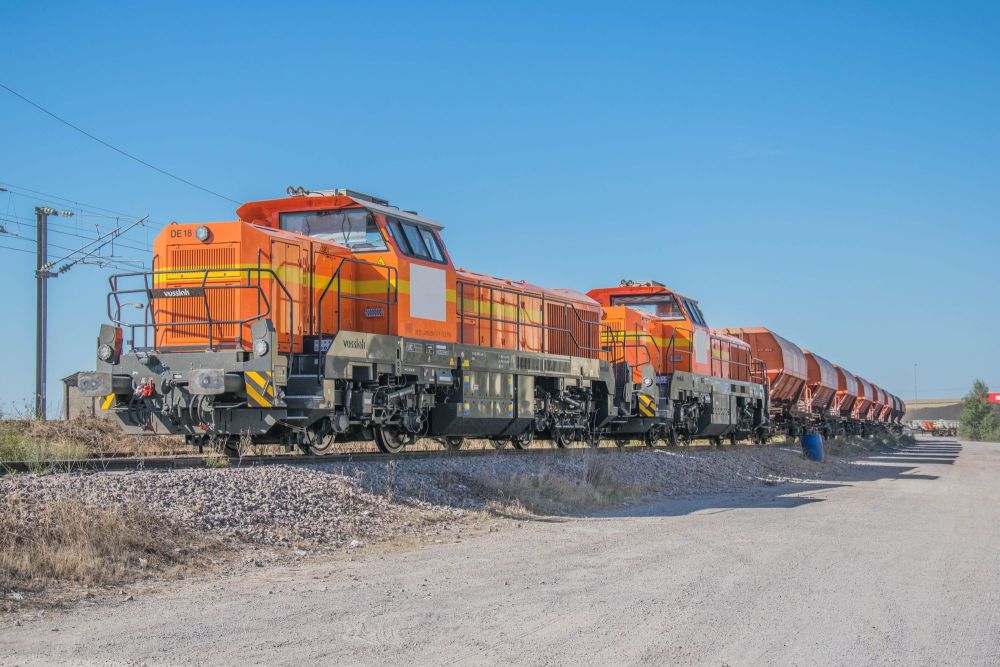
Manufactured products, machinery and transport equipment remained the largest commodity category, representing 42% of French rail freight activity. Transport performance in this segment increased by 6.2%.
Construction materials accounted for another 18% of traffic and recorded growth of 9.2%, although volumes remained 12.3% below their 2019 level.
Agricultural and food products developed in the opposite direction, declining by 9.9%. Their share of rail freight fell by two percentage points to 13%, partly reflecting the poor French cereal harvest in 2024.
SNCF loses market share to competing operators
The growth in overall rail freight activity was accompanied by changes in the competitive structure of the French market.
SNCF’s freight businesses, grouped within Rail Logistics Europe, accounted for 58% of freight transport measured in tonne-kilometres in 2025, down from 62% in 2024. DB Cargo France increased its share from 17% to 20%.
The changes followed the restructuring of Fret SNCF, which was replaced in January 2025 by Hexafret for freight operations and Technis for rolling stock maintenance. During 2024, Fret SNCF had already transferred 23 traffic flows to competing operators.
Despite the expansion of the overall market, Rail Logistics Europe’s revenue declined by 1.8% to €1.8 billion in 2025.
Freight rail transport prices increased by 2.8% during the year, including a 4.7% rise for international services. Since 2019, average French rail freight prices have increased by 27%, compared with 17.3% for road freight.
Source: https://railmarket.com/
The post French rail freight grows 4.4% as semi-trailer traffic jumps 42%. appeared first on Transport Corridors.
This story was originally published by TransportCorridors. Read the full story at TransportCorridors →


Conversation