
From Russian Oil to U.S. Supply Chains: The Hidden Risk of Secondary Tariffs
Because oil, transportation and manufacturing are interconnected, secondary tariffs could produce a far more complicated response than an ordinary tariff.
Home » Blogs » Think Tank » From Russian Oil to U.S. Supply Chains: The Hidden Risk of Secondary Tariffs Think Tank RSS From Russian Oil to U.S. Supply Chains: The Hidden Risk of Secondary Tariffs October 22, 2026 Manikandan Chandran, SCB Contributor A barrel of Russian crude purchased in Asia might seem far removed from an American manufacturer waiting for critical machinery components, or a hospital awaiting life-saving pharmaceuticals, or a retailer building its inventory of the hottest holiday gift items this year. But the distance is shorter than it appears.
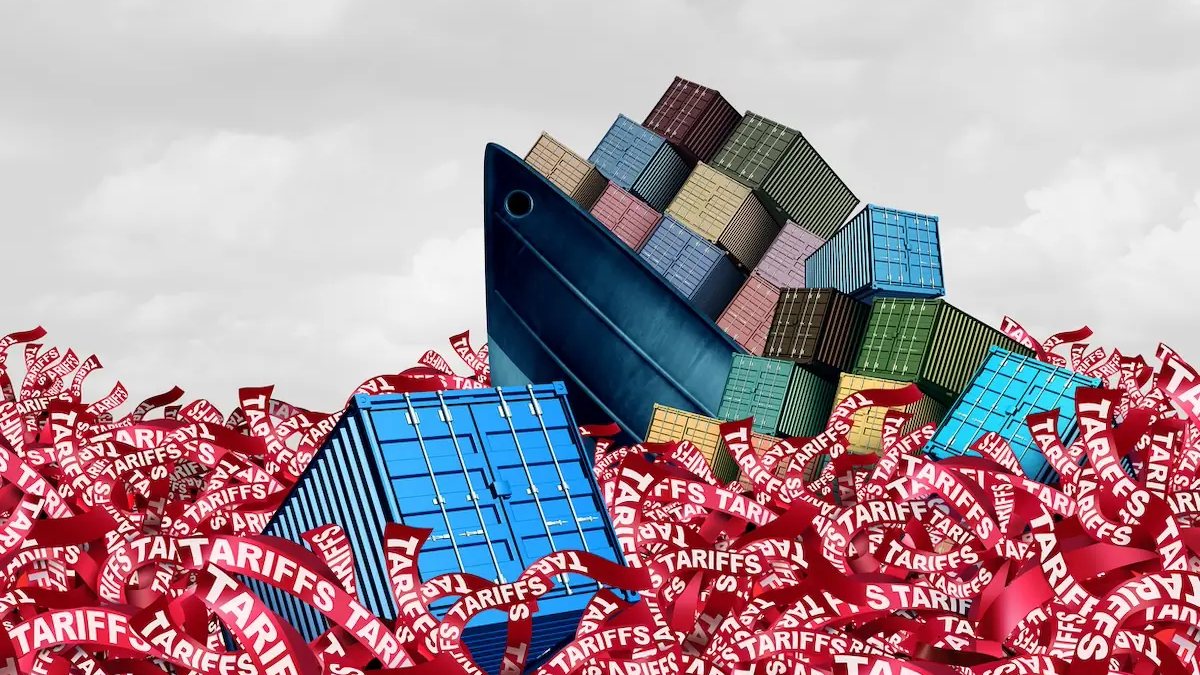
On Sept. 18, President Donald Trump signed into law the Lindsey O. Graham Sanctioning Russia and Iran Act of 2026. The law gives the U.S. authority to impose tariffs of up to 100%, on top of other applicable duties, on goods from countries that rank among the largest purchasers of Russian oil or natural gas, or are identified as major facilitators of sanctions evasion. The objective is to make continued purchases of Russian energy more costly. But if the tariffs are applied to large economies such as China or India, the effects would not be isolated to the global energy markets.
Most companies will ask, "What would a 100% tariff cost us?" A better question is, "What happens if tariffs rise while energy prices increase, shipping becomes more expensive, and thousands of companies simultaneously search for alternative suppliers?" Because oil, transportation and manufacturing are interconnected, secondary tariffs could produce a far more complicated response than an ordinary tariff.
This story was originally published by SupplyChainBrain. Read the full story at SupplyChainBrain →

Conversation