
Fuel Oil Becomes Asia’s Next Cost Shock
Singapore’s shipping-fuel market is adding another layer of cost to Asian trade. Disrupted supplies from the Middle East and Russia, resilient bunker demand and prohibitive freight rates have pushed high-sulphur fuel oil above the…
Natalia Katona is a freelance commodity analyst, based in the United Arab Emirates.
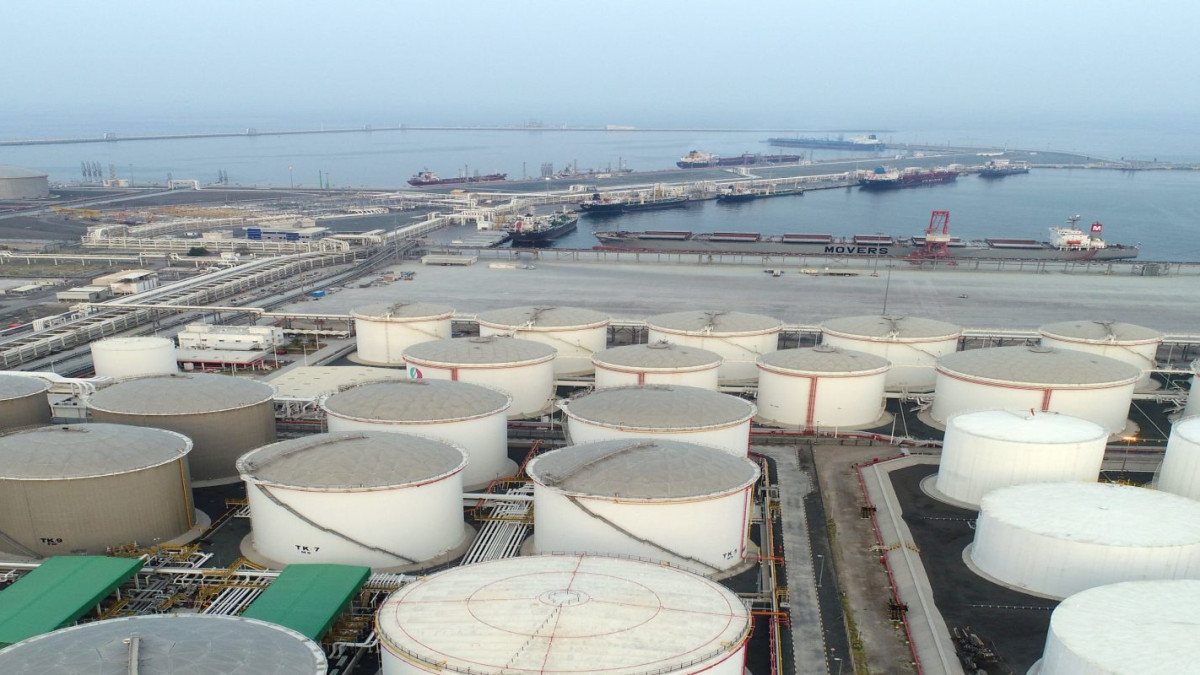
Singapore’s shipping-fuel market is adding another layer of cost to Asian trade. Disrupted supplies from the Middle East and Russia, resilient bunker demand and prohibitive freight rates have pushed high-sulphur fuel oil above the price of the crude used to produce it. Seasonal relief from Gulf producers and additional Chinese export allowances could ease the squeeze towards year-end, particularly for very-low-sulphur fuel oil. But with replacement cargoes expensive to transport and Russian supplies vulnerable to further disruption, a return to pre-war pricing relationships looks harder to achieve.
For shippers, the sharpest move has been in high-sulphur fuel oil, or HSFO. Singapore’s November crack against Dubai crude soared above $10/bbl in mid-October, compared with a discount of around $5/bbl in February (i.e. the pre-war period). That represents a reversal of more than $15/bbl for a product normally worth less than its crude feedstock. It also means higher bunker costs reflect more than rising oil prices: fuel oil itself has become unusually expensive.
The regional disproportion in the global fuel oil market is equally striking. The Singapore–Rotterdam HSFO swap spread was at a record $95/t on October 7 (equivalent to approximately $15/bbl), before it eased to $88/t. With the European HSFO crack lingering around -$10/bbl to Brent and the US Gulf Coast crack falling below -$20/bbl, Singapore’s geographical premium illustrates how heavily the shortage is concentrated in the Asian market.
This story was originally published by OilPrice.com. Read the full story at OilPrice.com →


Conversation