
Germany Launches Cleanup to Remove Dumped Munitions From WWI and WWII
Germany has embarked on an immediate project to recover tons of munitions that were scattered on the floor of the North and Baltic seas at the end of...
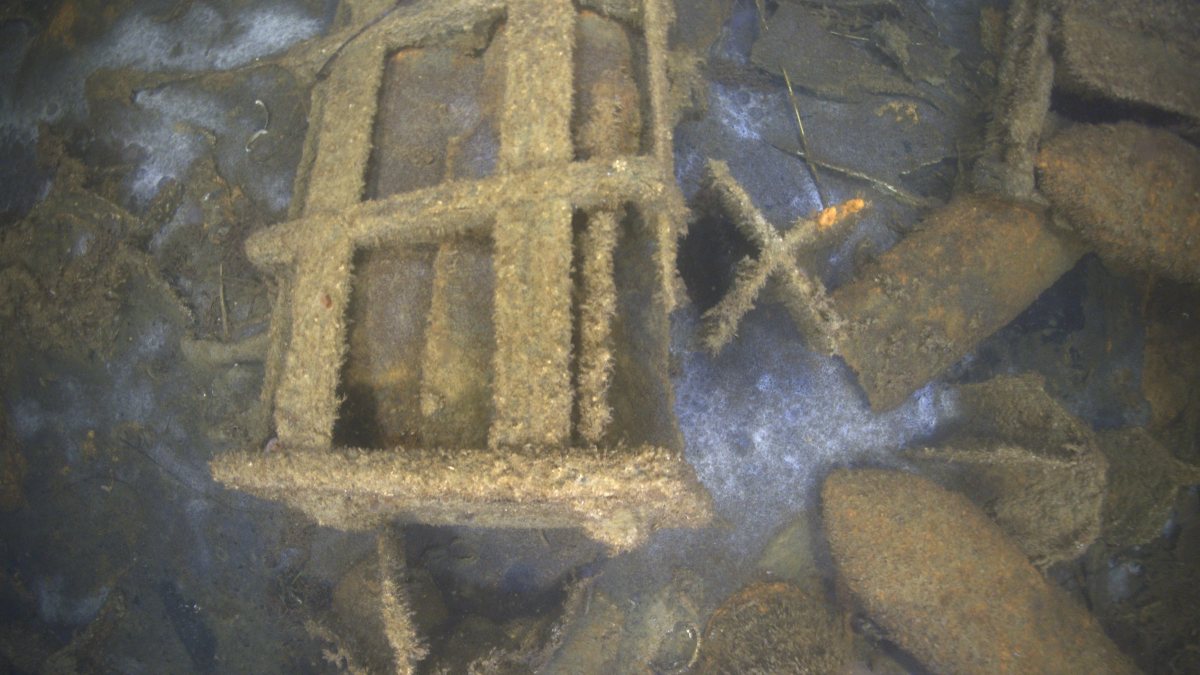
Germany has embarked on an immediate project to recover tons of munitions that were scattered on the floor of the North and Baltic seas at the end of World Wars I and II. The discarded bombs and shells are becoming a threat to the marine environment due to the release of toxic chemicals.
More than 1.5 million tons of ordnance were intentionally dumped in German waters at the end of WWII, with around 300,000 tons of unexploded ordnance lying in the German Baltic Sea and the rest in the German North Sea.
A study by the GEOMAR Helmholtz Centre for Ocean Research Kiel last year found that the ordnance was increasingly becoming a risk to the marine environment owing to corrosion and the release of toxic chemicals. Ammunition-related chemicals were detected in water samples collected from the Baltic Sea, with concentrations in some samples approaching critical toxicological thresholds. (The concentrations in most samples were well below all relevant limits for health and safety, including drinking water limits.)
As corrosion progresses, contamination is expected to increase, raising the risk to the environment. The threat is exacerbated by rising temperatures and increased storm activity due to climate change, which further accelerate the release of chemicals.
This story was originally published by The Maritime Executive. Read the full story at The Maritime Executive →

Conversation