
High dependency on Middle East jet fuel should be lesson learned for aviation
But is the bigger lesson learned from this year how global aviation’s dependency on jet fuel refined in the Middle East that relies on this passage has impacted supply to airlines and airport in…
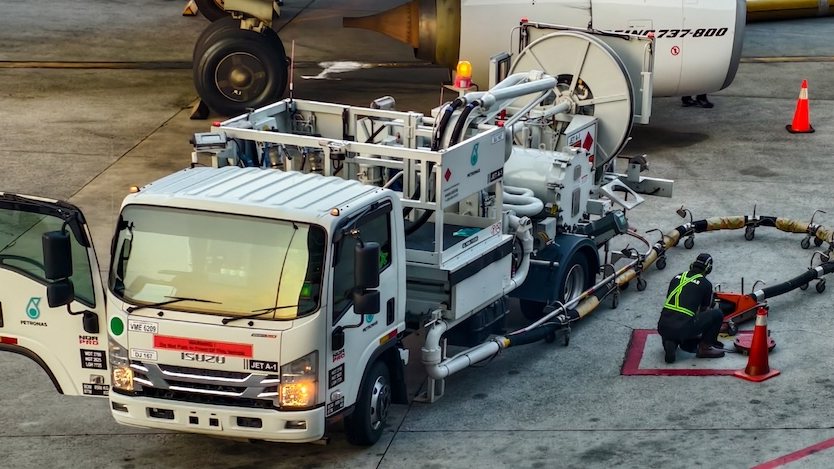
The disruption to the Straits of Hormuz that has redefined how trade lanes operate has been a mainstay of 2026, as operators have redirected common ocean freight through other modes when this has been closed due to conflict. Airfreight has been an alternative that has bypassed these limitations and permitted shippers other options for commodity transit.
But is the bigger lesson learned from this year how global aviation’s dependency on jet fuel refined in the Middle East that relies on this passage has impacted supply to airlines and airport in Europe and the Asia Pacific region?
“The sudden and dramatic reduction in supply resulted in equally sudden and dramatic increases in the cost of jet fuel. With jet fuel accounting for 20 to 40 percent of an airline’s operating costs, the sustained and extended price surge has a direct impact on airline profitability and financial viability. Airlines which had hedged their jet fuel supplies were less directly impacted by the jet fuel price surge,” Alan Polivnick, Partner in Sydney at Watson Farley and Williams said.
This story was originally published by Air Cargo Week. Read the full story at Air Cargo Week →

Conversation