
HKC and Basel: Two Conventions, One Ship, And a Shared Way Forward
A ship can arrive at a recycling yard with its certificates in order. That does not establish where its asbestos will end up, whether workers will bre...
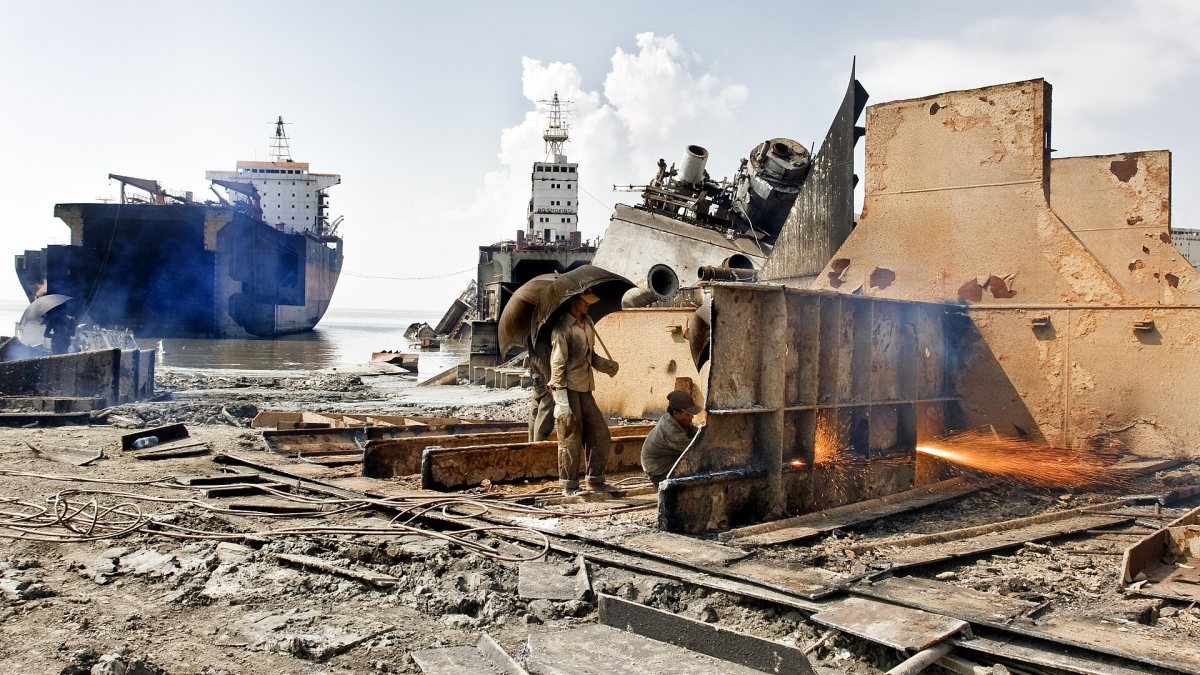
A ship can arrive at a recycling yard with its certificates in order. That does not establish where its asbestos will end up, whether workers will breathe toxic dust, or whether contaminated water will reach neighbouring communities. For ship recycling, the distance between legal paperwork and actual protection is where the international debate must finally land.
The Hong Kong Convention (HKC), adopted in 2009, entered into force on 26 June 2025. Its relationship with the 1989 Basel Convention remains unsettled. Shipowners and regulators need an answer: how can recycling satisfy both instruments without duplicating administration or weakening protection? The stakes are substantial. UNCTAD’s Review of Maritime Transport 2025 records approximately 6.34 million gross tons sold for recycling in 2024. Bangladesh accounted for 43.2%, India 33.9%, Pakistan 7.2% and Türkiye 7.4%. Together, they represented 91.7% of the market. Recycling supplies valuable steel and employment; asbestos, heavy metals and residual oils carry risks for workers, communities and ecosystems. Uncertainty concentrated in these countries affects shipping worldwide.
Basel and the HKC approach overlapping activities differently. A ship destined for dismantling may constitute waste while remaining an operational vessel. Where Basel applies, transboundary movement attracts notification, consent and environmentally sound management obligations. The HKC regulates ships, hazardous-material inventories, recycling plans, authorized facilities, inspections and certification. Compliance with either instrument does not automatically satisfy the other.
This story was originally published by The Maritime Executive. Read the full story at The Maritime Executive →

Conversation