
Hormuz Chaos Sparks Legal Showdown Over Global Tanker Pricing
Commodity trader Mercuria Energy Group accused the Baltic Exchange of continuing to publish the world’s benchmark oil tanker rate, despite distortions caused by the Iran war, because it feared losing business to a competitor.
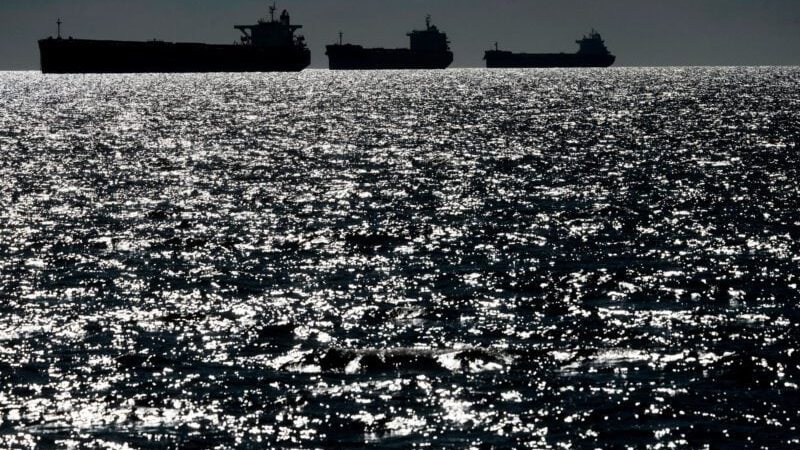
Russia's shadow fleet vessels wait in the unofficial anchorage area in the Gulf of Finland near Vaindloo, Estonia April 10, 2026. REUTERS/Ints Kalnins
(Bloomberg) — Commodity trader Mercuria Energy Group accused the Baltic Exchange of continuing to publish the world’s benchmark oil tanker rate, despite distortions caused by the Iran war, because it feared losing business to a competitor.
Lawyers for Mercuria kicked off a London trial claiming that the Baltic Exchange should have suspended the benchmark rate after exports through the Strait of Hormuz were strangled by the conflict between the US, Israel and Iran. The Baltic Exchange said the commodity trader’s claim reflects “instability and opportunism.”
Founded in 1774, the Baltic Exchange plays a central role in setting global shipping rates. It maintains it was still possible to put a price on the freight risk, and that it had consulted consistently with the market after the Iran war severely disrupted oil shipments through Hormuz. Flows have since recovered close to pre-war levels.
This story was originally published by gCaptain. Read the full story at gCaptain →
Conversation