
How accurate load measurement prevents tarp, strap, and permit errors
There is a moment every flatbed driver knows well. You are standing in the yard, coffee in hand, looking at a load that needs to move by morning. All the necessary American truck parts…
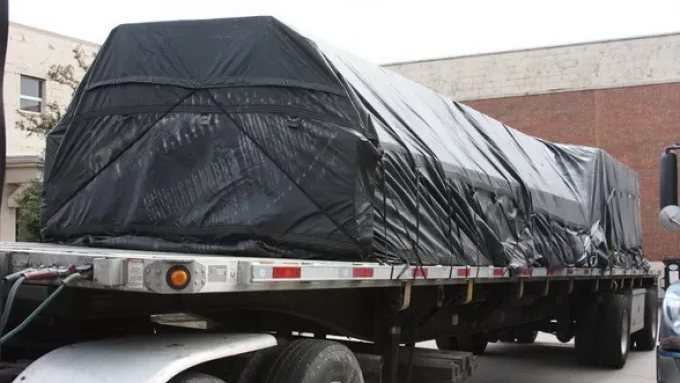
There is a moment every flatbed driver knows well. You are standing in the yard, coffee in hand, looking at a load that needs to move by morning. All the necessary American truck parts are packed: the tarp is folded on the catwalk, and the straps are coiled and ready. Everything looks fine. Then you realize you never actually measured the load. You guessed. And that guess is about to cost you money, time, or both.
It happens every single day across the country. Drivers skip the tape because they have hauled similar loads before. They assume the height is close enough. They figure the width will be fine. That assumption travels with them onto the highway, and it does not end well.
The tarp isn’t some soft blanket that allows for mistakes in measuring. The tarp is cut to exact specifications. Should you lay the tarp over cargo which is taller than you anticipated, the tarp will pull tight on the edges, while the center drops down. Wind gets inside that loose fabric almost right away. At sixty-five miles per hour, that tarp flapping against the trailer becomes something which will batter the stitching of the tarp itself.
This story was originally published by The Loadstar. Read the full story at The Loadstar →



Conversation