
How In-Water Services Are Optimizing Vessel & Infrastructure Repair
For many vessel owners, a problem below the waterline used to mean one answer: get the ship out of the water. This time intensive process consisted of booking a drydock...
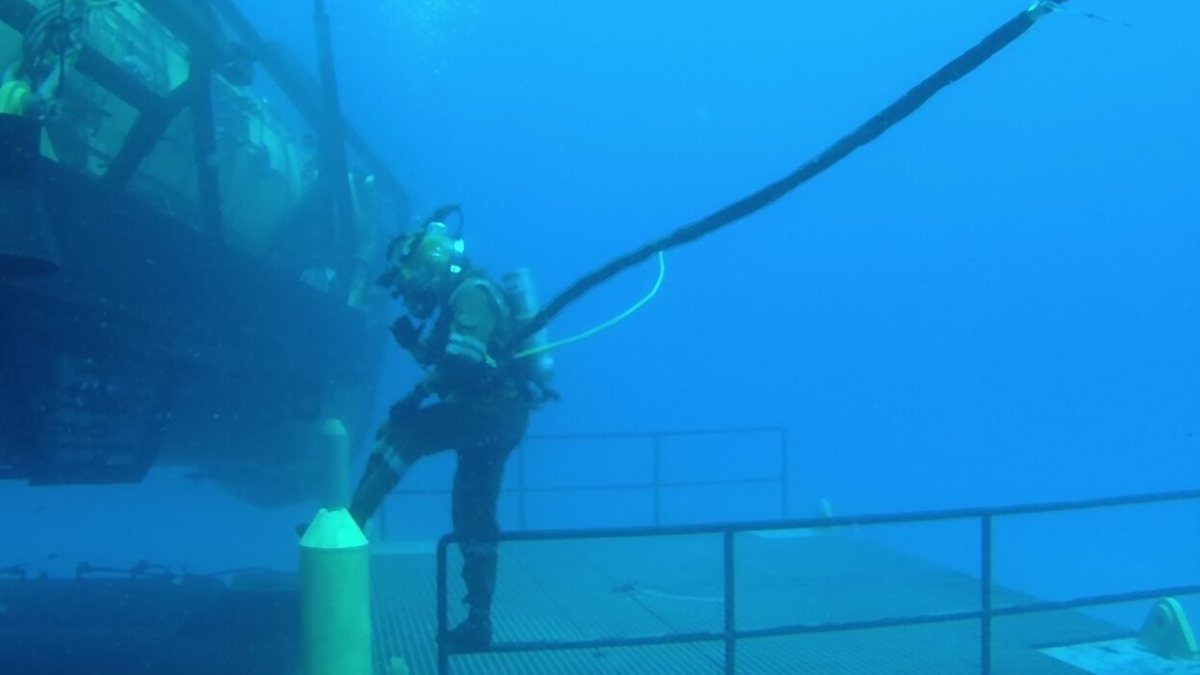
For many vessel owners, a problem below the waterline used to mean one answer: get the ship out of the water. This time intensive process consisted of booking a drydock slot, repositioning the vessel and waiting for a full assessment. In the case of underwater infrastructure, the tooling lacked the technological advances available today and many fixes were complex and time consuming.
Now, a growing share of the inspection, maintenance and repair that once required a dry hull can be done in-water by commercial divers. Often it is done faster, at lower cost, and with less risk to the schedule.
The list of tasks divers can now handle in-water is more comprehensive than many owners realize. Much of this progress comes down to tooling. Hydraulic and pneumatic tools have transformed what a diver can accomplish in a single shift. Grinders, drills, impact wrenches, bolt tensioners, cutters and hull-cleaning brush carts deliver real torque and precision at depth. Work that once took days of manual effort, or simply could not be done, is now routine.
Underwater cutting has advanced in parallel. Oxy-arc and ultra-thermic cutting systems allow divers to sever steel plate, piles and structural members quickly and cleanly. That matters for both repair and removal work, and for emergency response when speed counts.
This story was originally published by gCaptain. Read the full story at gCaptain →
Conversation