
How Maersk is building port power
One arm operates container terminals on contested corridors, the other buys the bulk ports that feed European industry. Together they form a single strategy of corridor control. Within three weeks, two deals carrying the…
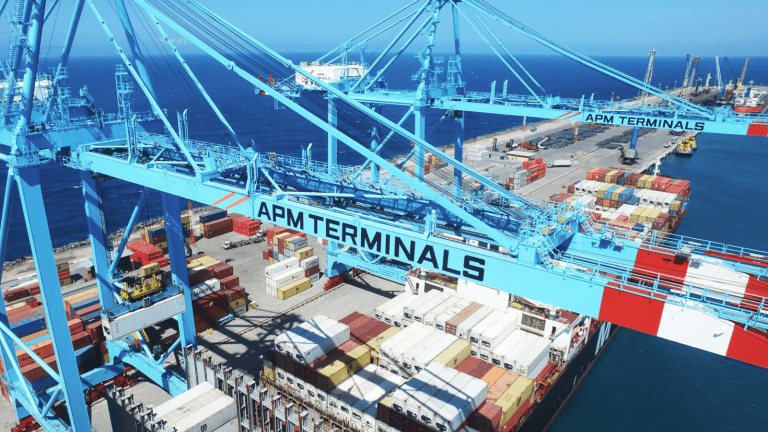
One arm operates container terminals on contested corridors, the other buys the bulk ports that feed European industry. Together they form a single strategy of corridor control.
Within three weeks, two deals carrying the Maersk family name redrew the map of its port ambitions.
On 28 September, APM Capital agreed to acquire a 53.35% stake in the parent of Euroports, an operator of more than 50 deep-sea and inland terminals across ten European countries and China that handles over 70 million tonnes of bulk, breakbulk and liquid bulk a year.
On 20 October in Copenhagen, APM Terminals signed a memorandum of understanding with Vietnamese conglomerate Hateco for a rail freight terminal network in northern Vietnam valued at up to US$3.5 billion.
This story was originally published by Container News. Read the full story at Container News →

Conversation