
How Marine Engineers Can Build Machinery Knowledge Before Joining a Vessel
A marine engineer may study fuel purifiers in theory before ever seeing one in an engine room. But understanding the principle of centrifugal separation is only part of learning.
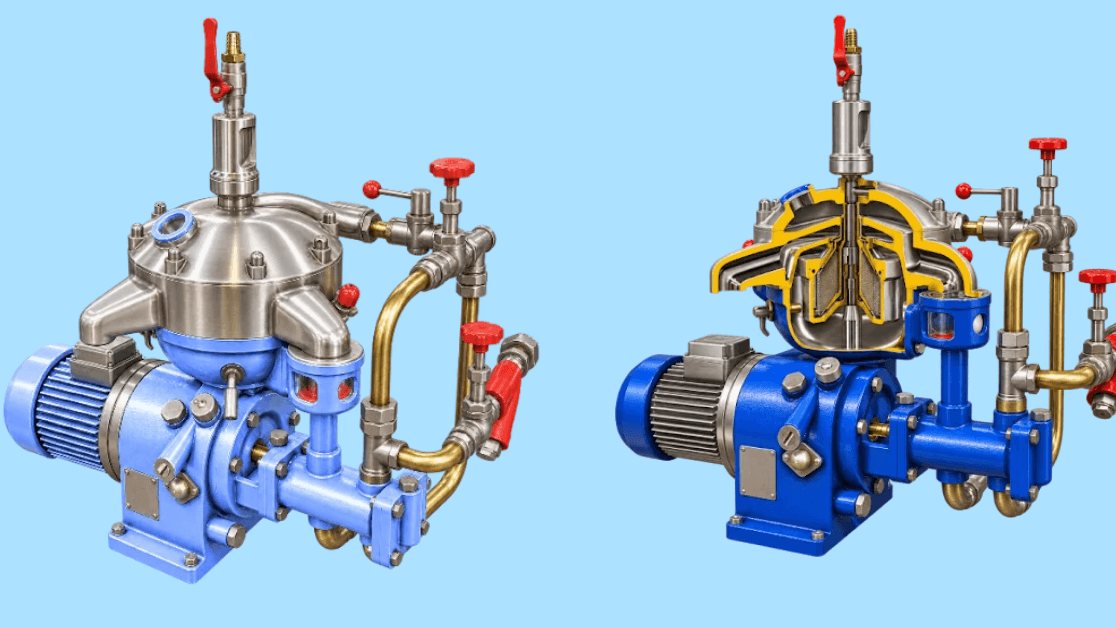
A marine engineer may study fuel purifiers in theory before ever seeing one in an engine room. But understanding the principle of centrifugal separation is only part of learning. A learner also needs to recognise the machine’s components, understand how fuel and water move through it, and know how the purifier fits into the vessel’s fuel system.
A digital learning sequence can help connect those ideas before a learner joins a vessel. For example, a learner can watch a video course about a marine fuel purifier, explore a 3D model, consult a handbook and then use a quiz to check what they have understood.
The learner begins with a video lesson introducing the purifier’s purpose and operating principle. A fuel purifier uses centrifugal separation to remove water and solid contaminants from fuel. Seeing the process explained step by step gives the learner a framework for understanding the equipment before looking at its individual parts.
A course can also introduce terminology that may otherwise be difficult to follow in technical discussions: the bowl, disc stack, gravity disc, inlet and outlet connections, and the distinction between a purifier and a clarifier. Instead of meeting these terms for the first time during a practical demonstration, the learner can arrive with an initial understanding of what they refer to.
This story was originally published by Marine Insight. Read the full story at Marine Insight →
Conversation