
How Trump’s Energy Dominance Turned Into Hubris
When Donald Trump returned to the White House in 2025, “energy dominance” was the bedrock of his economic and foreign policy plans. But an unpopular war with Iran and soaring household fuel costs have…
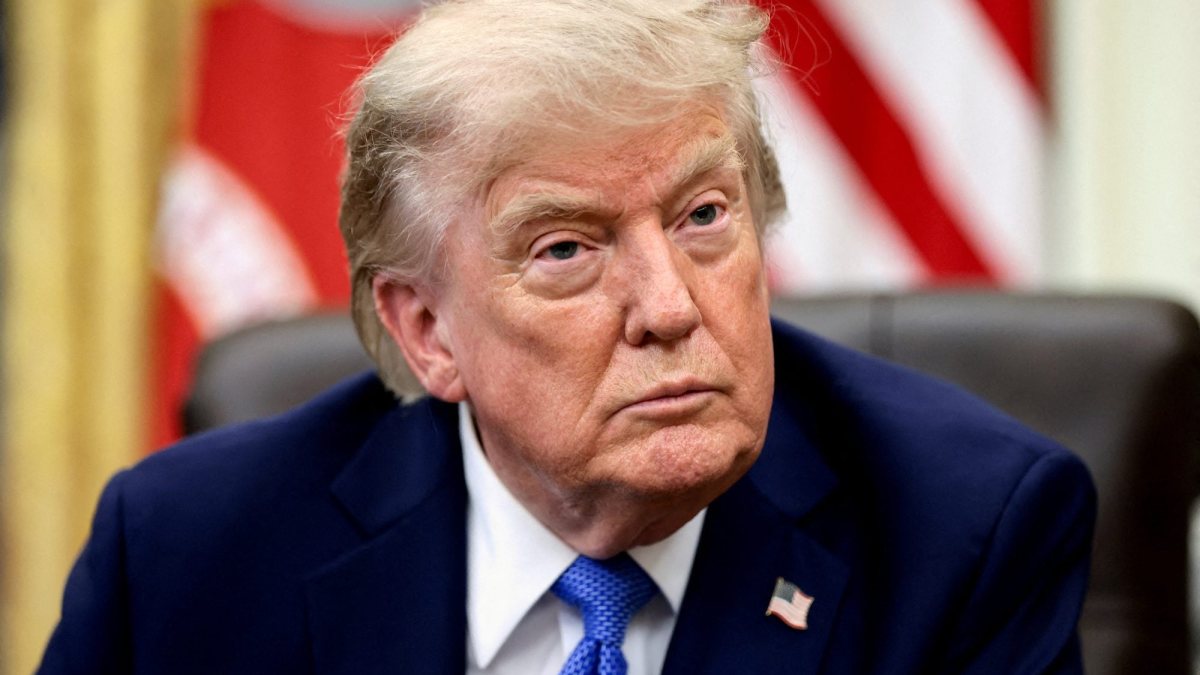
By Ron Bousso LONDON, Oct 24 (Reuters) – When Donald Trump returned to the White House in 2025, “energy dominance” was the bedrock of his economic and foreign policy plans. But an unpopular war with Iran and soaring household fuel costs have now made energy policy a major liability for the US president heading into next month’s midterm elections.
Ironically, it was the US position as the world’s top oil and gas producer, perhaps more than anything else, that enabled Trump to pursue foreign policy goals that may turn out to be the costliest of his political career.
In the first two years of Trump’s second term, vast US oil and gas resources emboldened Washington abroad, strengthened its hand in trade disputes and underpinned a broader effort to restore US geopolitical dominance.
Yet the Iran war exposed the central weakness in that vision: dominating energy production does not mean controlling energy prices.
This story was originally published by gCaptain. Read the full story at gCaptain →



Conversation