
In the Know 83: How Folding Containers Save Space for Ports and Carriers
In this episode of the In the Know podcast series, TME spoke with Drew Hall, co-founder and CEO of GenFlat, about how collapsible shipping containers...
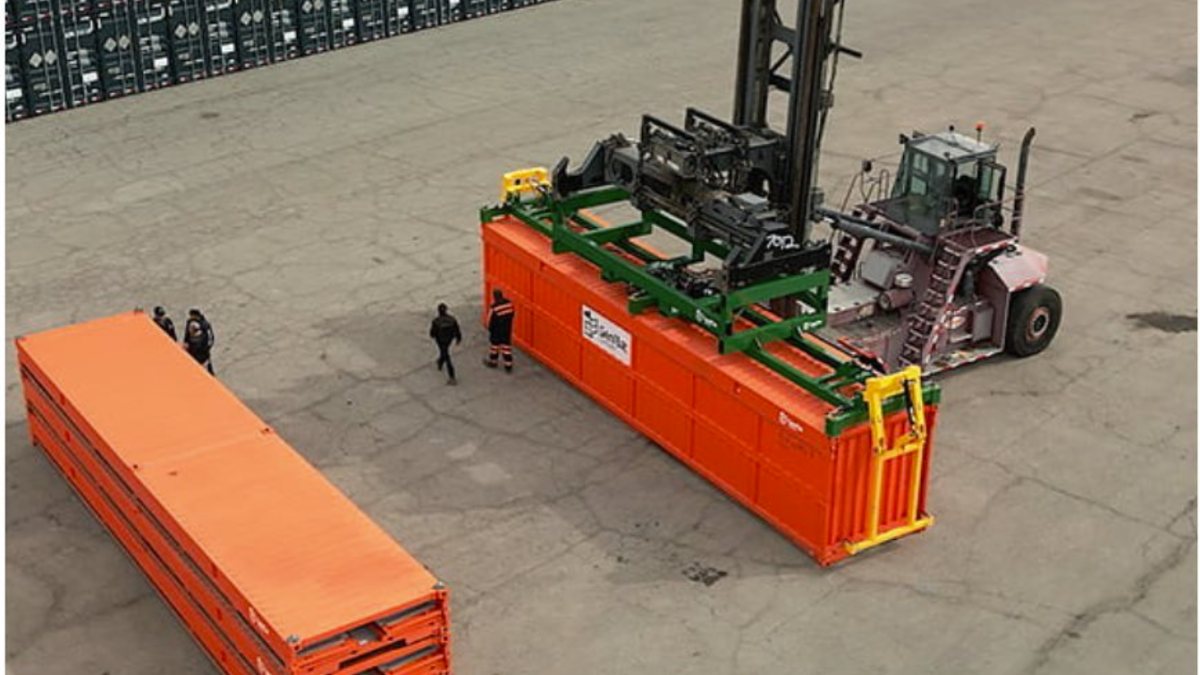
In this episode of the In the Know podcast series, TME spoke with Drew Hall, co-founder and CEO of GenFlat, about how collapsible shipping containers can be a game-changer for ports and shipping lines.
Hall is a serial entrepreneur with years of experience in accounting and real estate development. In 2017, he agreed to take on the collapsible-container idea and bring it to market. The concept has clear advantages: once a GenFlat container is emptied, it folds down, and four collapsed units latch together to take up the space of one standard container. That cuts handling costs on the return leg by 75 percent and frees up storage space at ports with limited acreage. The folding system works with standard handling equipment like top loaders and forklifts.
GenFlat's biggest market breakout so far has been in Middle Eastern economies, which import goods from China and send nearly all of the containers back empty. A trial with a major ocean carrier is now underway, raising the prospect of global expansion. Closer to home, GenFlat is working with container maker SEA BOX on a 20-foot prototype folding container for U.S. military and government customers.
For more on how collapsible containers can save bunker fuel, stowage and container yard space, listen in below.
This story was originally published by The Maritime Executive. Read the full story at The Maritime Executive →

Conversation