
Latin America Supply Chains Shift from Risk Protection to Growth Driver
Companies expanding across Latin America face economic volatility, regulatory shifts, infrastructure constraints, extreme weather and changing global trade flows, according...

Companies expanding across Latin America face economic volatility, regulatory shifts, infrastructure constraints, extreme weather and changing global trade flows, according to Maersk. The company’s market update argues that supply chain capabilities once treated mainly as protection against disruption are now being viewed as contributors to business performance, customer relationships and growth.
Read also: U.S. Civil War Risk in 2027: Supply Chain Implications and Preparedness
Resilience was long seen as a necessary cost, with supplier diversification, alternative routes, inventory buffers and greater visibility requiring extra resources whose value showed mainly during crises. That view has shifted as disruption became more persistent. Geopolitical pressures, variable transport capacity, infrastructure gaps, extreme weather and changing trade policies can affect costs, cargo flows and service reliability across the region.
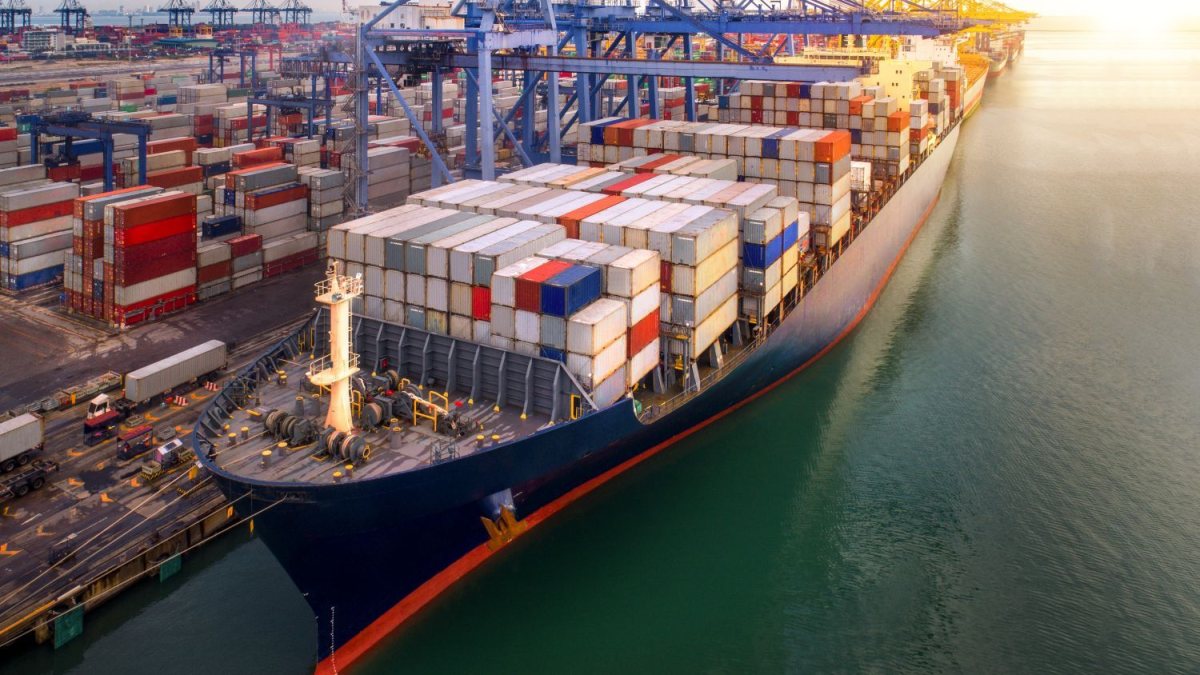
Maersk cited global liner schedule reliability of 62.4% in April 2026, noting that the indicator carries implications for Latin American importers and exporters reliant on maritime connections. Resilience now covers anticipating risks, identifying alternative suppliers and routes, improving end-to-end visibility and making timely decisions when conditions change.
This story was originally published by Global Trade Magazine. Read the full story at Global Trade Magazine →
Conversation