
Looking Beyond the Benefit-to-Cost Ratio: Why America’s Inland Waterways Deserve a Broader Measure of Value
Every year, the President’s budget proposes investments in infrastructure projects across the country. For navigation projects on America’s inland waterways, one of the most important factors influencing whether a lock and dam modernization…
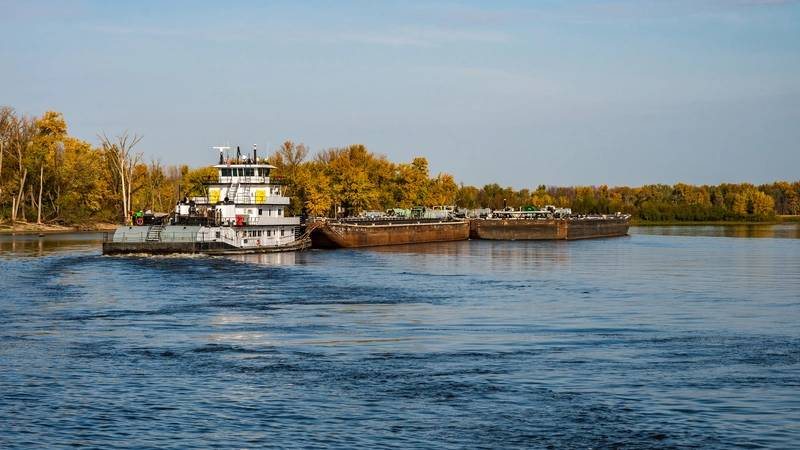
Every year, the President’s budget proposes investments in infrastructure projects across the country. For navigation projects on America’s inland waterways, one of the most important factors influencing whether a lock and dam modernization project advances in the annual budget process is its benefit-to-cost ratio (BCR).
On its surface, the concept sounds simple and sensible. A project’s benefits should exceed its costs. The higher the ratio, the stronger the justification for federal investment.
But when it comes to inland waterways infrastructure, the formula used by the U.S. Army Corps of Engineers captures only a fraction of the value these projects provide to the Nation. As a result, some projects that are critically important to the economy, national security, and energy supply may appear less beneficial on paper than they truly are in practice. What is a Benefit-to-Cost Ratio?
This story was originally published by MarineLink. Read the full story at MarineLink →

Conversation