
Miami International Airport becomes the world’s largest cargo airport to launch an AI-powered digital platform with Kalé
Miami International Airport is now the busiest cargo hub in the world to launch an AI-powered communications platform, designed to streamline supply chain logistics, decrease traffic, and reduce carbon emissions. […]
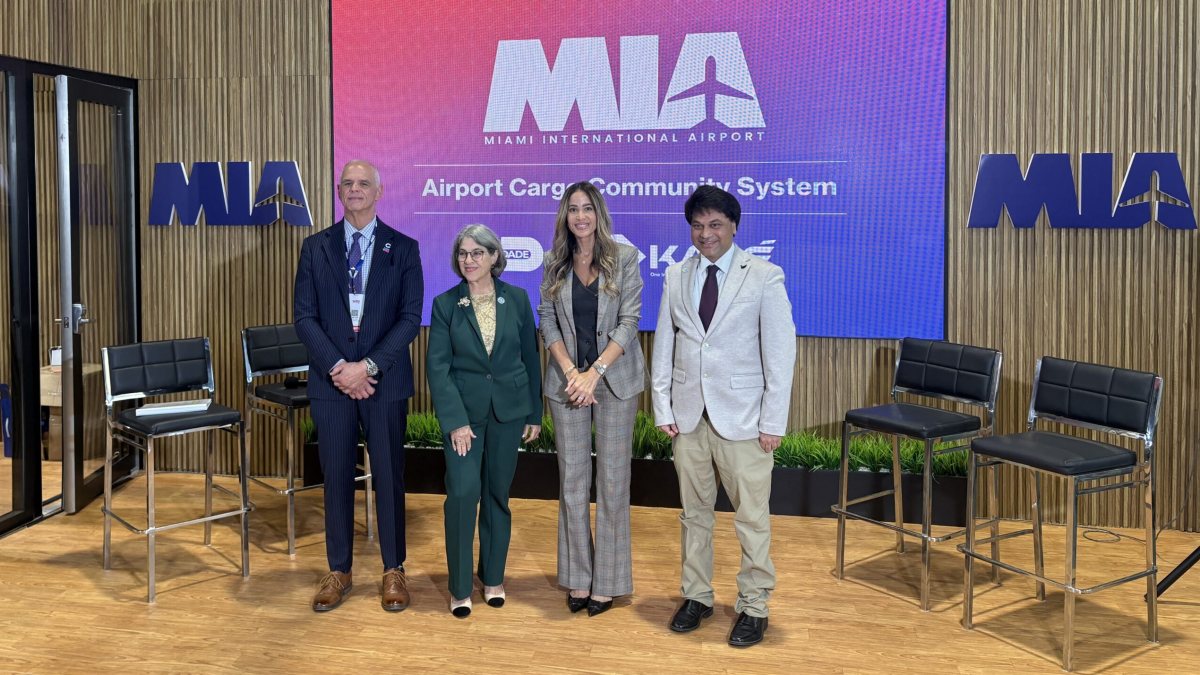
Miami International Airport is now the busiest cargo hub in the world to launch an AI-powered communications platform, designed to streamline supply chain logistics, decrease traffic, and reduce carbon emissions. The new Airport Cargo Community System (ACCS), developed by industry leader Kalé Logistics (Kalé), creates a shared online portal for MIA’s extensive network of freight forwarders, cargo handlers, truckers, carriers, and ground handlers, reducing reliance on fragmented, manual information exchange. The launch was announced at The International Air Cargo Association’s (TIACA) Air Cargo Forum in Miami on October 27.
“I am thrilled that MIA is now the busiest cargo hub in the world to leverage this cutting-edge technology,” said Miami-Dade County Mayor Daniella Levine Cava. “Most importantly, this is about making MIA more future-ready: simplifying and expediting the movement of goods through our global gateway, supporting the businesses and jobs that depend on international trade, and ensuring that our airport remains an industry leader not just in cargo volume, but also in efficiency and sustainability.”
Currently, cargo trucks arrive at MIA with limited information about their arrival times and cargo types, increasing congestion, carbon emissions, and inefficiencies. The new platform will improve information sharing, advanced planning, and truck scheduling. The ACCS will also help reduce waiting times and increase productivity across MIA’s cargo ecosystem. This will also serve as the foundational digital infrastructure for MIA to connect with its international partner airports, further facilitating the flow of goods along specific international trade lanes.
This story was originally published by Payload Asia. Read the full story at Payload Asia →
Conversation