
New Study Identifies Foundation Standardisation, Lower Cost of Capital as Key to Floating Wind Competitiveness
Standardising floating offshore wind foundations and reducing the cost of capital to bring it in line with fixed-bottom could deliver some of the...
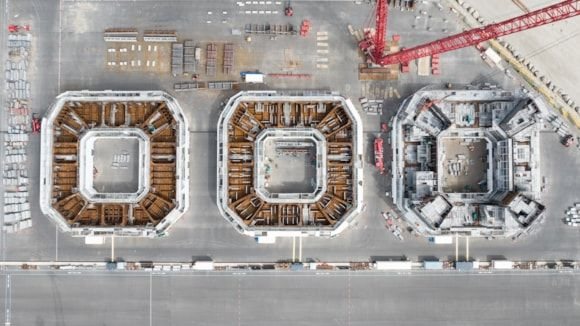
Standardising floating offshore wind foundations and reducing the cost of capital to bring it in line with fixed-bottom could deliver some of the largest cost reductions for the technology, according to a new report from the UK’s Offshore Renewable Energy (ORE) Catapult.
The report sets out a methodology for identifying and tracking the factors that drive floating wind costs as the technology moves towards commercial scale and identifies 21 potential cost-reduction factors, concluding that cost reductions are likely to result from a sequence of measures as the industry matures rather than a single breakthrough.
Standardising floating substructure designs could reduce costs by up to 17 per cent, according to the analysis. ORE Catapult said more than 100 floating substructure designs are currently in the market, with greater standardisation expected to increase supply-chain confidence and reduce technical uncertainty.
The cost of capital was identified as the single largest cost-reduction lever. Bringing financing costs closer to those of fixed-bottom offshore wind could deliver almost 20 per cent in savings, the report found. Other factors include increased competition and advances in manufacturing.
This story was originally published by offshoreWIND.biz. Read the full story at offshoreWIND.biz →

Conversation