
NGO Catalogs Financial Support for Conventional Bunker-Fueled Ships
Top global lenders continue to channel billions of dollars into the construction of ships that only run on fossil fuels, reflecting commercial realiti...
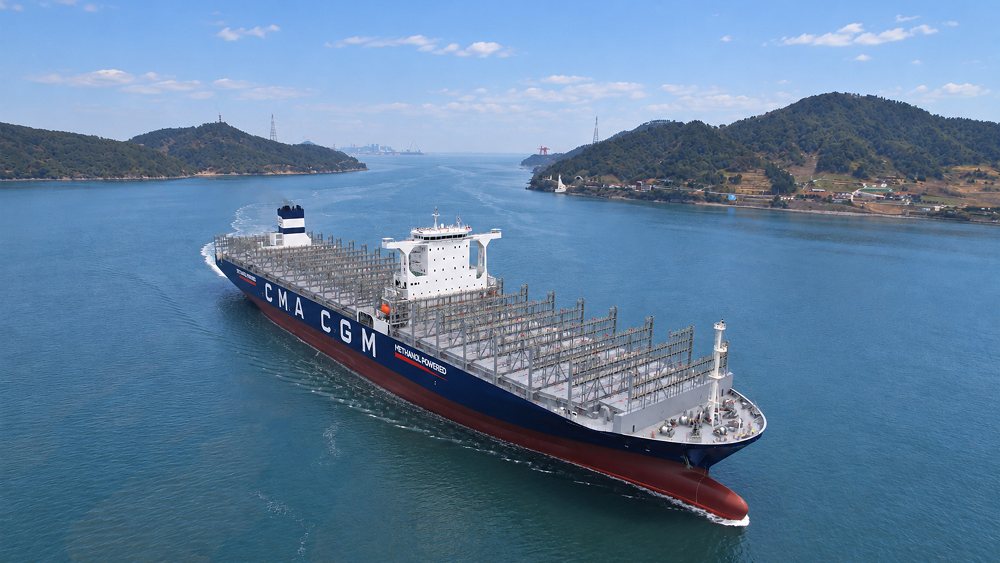
Top global lenders continue to channel billions of dollars into the construction of ships that only run on fossil fuels, reflecting commercial realities and the absence of a clear path to IMO-led carbon regulations. This puts in jeopardy the ambitions of some corners of the merchant shipping industry to reach net-zero by 2050, according to a Korean NGO.
South Korea-based climate advocacy organization Solutions for Our Climate (SFOC) says commercial lenders, both public and private, are contributing to the challenge of emissions in the shipping industry by financing the construction of fossil-fuel-powered ships, the least-cost option and the current preferred propulsion technology for most shipowners.
SFOC has released a detailed report that shows banks extended $680 billion in financing to the shipping industry in 2025. Of that amount, approximately $425 billion, or 63 percent, was from commercial banks. During the year, the top 40 banks in ship financing provided an estimated $300.6 billion. Non-bank lending, such as export financing and leasing, is also on the increase and is directly competing with banks in the financing of newbuild ships.
The substantial amounts are giving lenders significant influence in determining which ships will be built and what fuels they run on. Considering that ships being ordered today could remain in operation for the next three decades, the reality is that financing decisions being made today have the potential to shape not only the fleet but also emissions for decades to come, the NGO says
This story was originally published by The Maritime Executive. Read the full story at The Maritime Executive →

Conversation